 By nDir
Spelunking gives explorers access to underground spaces where every sound, texture and breath of air feels different from the surface. A cave greets visitors with cool air, faint echoes and the scent of damp rock. Each step uncovers new details that build curiosity about what lies ahead.
But what is spelunking in the first place? The term spelunking refers to the recreational exploration of caves. It differs from professional “caving,” which is usually carried out by specialists who study geology, while spelunking welcomes amateurs who want to experience life beneath the surface.
To enjoy a spelunking adventure and stay safe, you need full preparation, such as bringing a battery generator to keep lights and other essential devices ready throughout the trip. Read on to learn more for preparation!
What Can You Experience in Spelunking?
Spelunking trips promise to introduce you to the following experiences:
1. ensory Experiences
The atmosphere inside a cave is completely different from what you experience outside. Once inside, you will feel an immediate drop in temperature as you move into the surfaces. Footsteps echo through chambers, water drips in steady intervals, and the smell of damp road reminds you of the cave’s unique characteristics.
Darkness dominates the space, with your headlamp serving as the only dependable guide. All in all, every movement in the cave introduces you to new sensory experiences.
2. Geological Wonders
Caves display geological features that are developed over long periods of time. Stalactites grow slowly from ceilings as mineral-rich water drips and hardens, while stalagmites rise from the floor. When they meet, they create solid columns that show many years of geological change.
Flowstones develop when thin sheets of water leave layers of minerals on walls and floors. Some parts of the cave hold crystals that sparkle when light reaches them. Spelunking gives visitors a clear view of how water, minerals and time work together to shape and preserve the landscape below the surface.
3. Cave Ecosystems
Caves are home to unique ecosystems shaped by darkness and isolation. Bats gather in colonies, insects thrive in damp soil, and fish or salamanders adapt to life without sunlight. Some of these species are found nowhere else on Earth, which makes cave habitats especially important for biodiversity.
Observing these species highlights how life adapts to extreme conditions and reveals why conservation matters. Each ecosystem is delicate, and even small disruptions can cause harm. For visitors, the experience is not just about exploration but also about understanding how living systems survive in environments that appear hostile to human eyes.
What to Bring for Spelunking?
In order to enjoy the spelunking experience to the fullest and stay safe, here are all the useful things you need to carry:
1. Clothing Suitable for Exploration
Clothing for spelunking must be both durable and comfortable. Long sleeves and pants protect against sharp rocks and rough surfaces, while synthetic fabrics help manage moisture in damp environments. Cotton should be avoided since it traps water and becomes heavy.
Layering is also useful because cave temperatures are often cooler than the surface, and conditions can change quickly. Boots with a strong grip provide stability on slippery rocks. Carrying an extra pair of socks is practical because dampness builds up quickly underground.
2. Protective Equipment
Carrying safety equipment is non-negotiable when you plan to explore the challenging caves. A sturdy helmet with a chin strap protects against falling debris or accidental bumps against low ceilings.
Gloves give a better grip on slippery rocks and shield hands from cuts. Knee and elbow pads add comfort during crawling sections and reduce the chance of injury. Adding lightweight protective glasses can help in dusty passages.
Go for the well-fitted equipment instead of the loose or oversized gear. It is also a common practice among groups to use bright colored helmets to keep track of one another in low light.
3. Headlamp
A reliable headlamp is one of the most important items to carry during caving and spelunking adventures. Darkness inside caves can be frightening, and artificial light is the only way to see. A headlamp keeps both hands free, making climbing or crawling easier.
Extra batteries or a backup lamp are also necessary, as power loss in a cave can quickly turn dangerous. Adjustable brightness settings extend battery life during longer trips. Waterproof casings are also valuable since many caves have damp air or dripping ceilings.
4. Navigation Devices
Caves can quickly confuse even experienced campaigners who know the terrain, so carrying reliable navigation tools is essential. Maps and compasses give clear guidance inside and help you stay on track. Having the right equipment reduces the risk of losing direction and helps groups follow a planned path.
Simple markers, such as chalk or removable tape, can show which passages have already been explored without harming cave walls. Carrying a second compass adds more security to the adventure if one stops working.
5. Other Accessories
A small first aid kit should always be included in your spelunking backpack. Basic supplies such as antiseptic wipes, bandages, and pain relievers prepare you for minor injuries. Water bottles and high-energy snacks maintain stamina during long trips.
Rope, carabiners, or a whistle can be useful depending on the cave’s layout. Trash bags can be carried to keep supplies dry and to collect waste. A compact blanket is also useful in case temperatures drop during longer explorations.
6. Portable Backup Power Source
Reliable electricity is important for lights, cameras, phones, and other small devices during a spelunking trip. A compact power station keeps headlamps and phones ready for use, especially on longer explorations.
Those interested in depth spelunking should be ready for longer crawls, rope descents, and conditions that demand strong lighting and dependable power sources. That is why you choose a power source that offers steady output and enough capacity for your gear.
High-performance Solar Generators Suitable for Spelunking
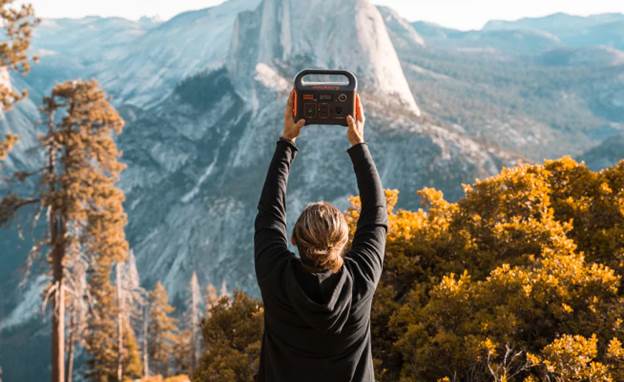
If you are preparing for your team’s spelunking trip, it’s time to choose a portable power station in Canada! In this regard, solar generators are a recommended choice as they have a large capacity, are portable, and can generate electricity in various environments, even in remote areas.
Here are two popular portable models:
1. Jackery Solar Generator 300 Plus
For short or moderate spelunking trips, the Jackery Solar Generator 300 Plus offers a dependable way to keep essential equipment powered. Weighing about 11 pounds, its portable power station is light enough to carry in a backpack along with other gear. The unit holds a 288Wh battery capacity and delivers up to 300W of output, enough for headlamps, communication devices, cameras, or small tools. Other features include:
- Supports several outputs, including AC, USB-A, USB-C, and car ports, so different devices can charge at the same time.
- The LiFePO4 battery is built for up to a 10-year service life, and the ChargeShield technology keeps operation safe.
- Charging is flexible, supporting solar panels, wall outlets, USB-C, and car charging.
- The Jackery app allows users to check the status and control settings via Bluetooth or Wi-Fi.
- Both the portable power station and its foldable panels are built to cope with different surroundings, and the panels carry an IP68 rating that makes them resilient to rain or light snow.
- All these make the Jackery Solar Generator 300 Plus a sensible choice when a trip may involve cold mornings, wet ground, or shifting weather.
2. Jackery Solar Generator 500
Longer expeditions or trips with several participants benefit from the Jackery Solar Generator 500. The solar generator comes with a 518Wh battery and a 500W output, giving enough energy for lights, navigation devices, phones, laptops, and even compact appliances. Other features include:
- 7 outputs for outdoor devices, including USB-A, DC and AC outputs, which makes it versatile for outdoor activities or group travel.
- 3 ways to charge, including solar panels, wall outlets and car charging.
- It runs quietly at only 37.9dB, making it suitable for both indoor and outdoors use without disturbing.
- Its strong handle and small size make it easy to transport, while the foldable 100W solar panel is light enough to carry on trails.
- For spelunking needing more capacity than a pocket-sized unit, this portable solar power generator is the best fit.
Safety Tips for Spelunking
While exploring the caves, here are some of the most important safety tips to follow:
1. Do Not Explore Alone!
Cave exploration can get dangerous, so never attempt it alone or explore areas rarely visited by humans. A group provides mutual support, shares responsibilities, and reacts quickly in emergencies. Even experienced explorers benefit from teamwork. A partner can help with navigation, provide first aid, or call for help if needed.
Many spelunking clubs recommend groups of at least three, so one person can remain with an injured member while another seeks assistance, in case an emergency strikes.
2. Avoid the Rainy Season
Rainfall can expose you to dangerous conditions in the cave. Underground passages may flood within minutes, leaving little time to react. Planning trips during dry periods reduces the risk of sudden water surges.
Local weather forecasts should always be checked before setting out, and explorers should learn which caves are most vulnerable to flooding. Some caves have seasonal closures during rainy seasons, and respecting those restrictions helps keep visitors safe.
3. Leave No Trace Principle
Caves are fragile ecosystems that can be damaged easily by careless behaviour. That is why you need to adopt the “leave no trace” principle, which encourages explorers to take everything back with them, including waste and gear.
Touching stalactites, flowstones, or other delicate formations should be avoided. Respect for wildlife is equally important, as disturbing bats or insects can disrupt entire populations.
Carrying a small trash bag for litter and following marked paths are simple but effective steps. Practising this principle preserves caves for future visitors and protects the creatures that live there.
Spelunking in Canada
Now let’s have a look at the different caves you can explore in Canada:
1. Horne Lake Caves
Horne Lake Caves Provincial Park on Vancouver Island is one of Canada’s best-known spelunking destinations. The park protects a large karst landscape and several caves, including Riverbend and Main Cave.
Visitors can choose from guided tours that range from easy family walks to more demanding adventures that involve climbing underground waterfalls or sliding down rock chutes. Inside, explorers see striking limestone formations, crystal deposits, and even fossils embedded in the walls. Trails outside the caves lead to viewpoints and suspension bridges, making the park an adventurous destination.
2. Upana Caves
Upana Caves, also on Vancouver Island, are often praised for their accessibility. Their entrances are clearly marked, and the first sections are simple enough for casual visitors with basic gear. Deeper passages become narrower and darker, rewarding those prepared with helmets and lights.
The cave system contains more than a dozen openings connected by limestone corridors, many of which carry streams during wetter months. Local guides and posted information help explain how the caves formed and highlight the wildlife that inhabits them. Since conditions can shift with the weather, carrying waterproof footwear and extra lighting is strongly advised.
3. Little Huson Caves
Little Huson Caves Regional Park on northern Vancouver Island features natural arches, limestone caverns and shallow pools formed by the steady flow of Atluck Creek. A short forest trail leads to viewing platforms and entry points, making the site accessible without advanced caving skills.
During dry months, when water levels are lower, visitors can step into the main cavern and walk beneath a natural bridge. The limestone walls display textures carved by moving water, giving the caves a distinct appearance. Facilities are limited here, so visitors should bring their own lighting and safety gear. The area is valued both for its cave formations and its quiet forest surroundings.
Wrapping-Up
Spelunking offers an experience unlike any other, offering a mix of discovery, practical learning, and adventure. Exploring underground passages reveals how stone, water, and time create landscapes that most people never see.
Yet the enjoyment and safety of a trip depend on careful planning, respect for fragile habitats, and dependable lighting and communication tools. Portable solar generators from Jackery give explorers steady power for lamps, phones, and cameras, even in damp or cold conditions.
Visit the Jackery website now to prepare your outdoor adventure!