 By nDir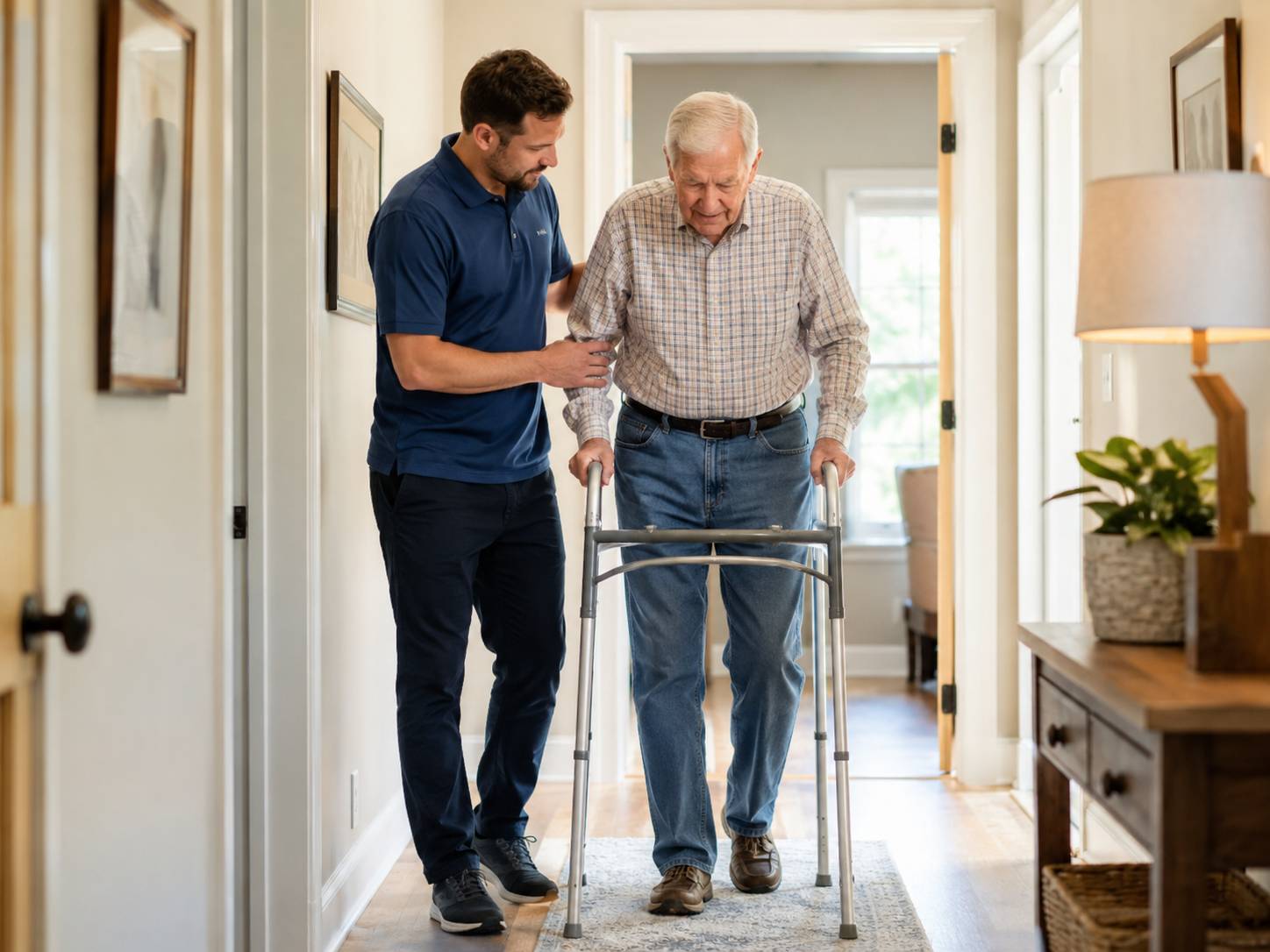
“Home care” is one of those phrases everyone uses and few people define. When a Toronto family first looks into it for an aging parent, it’s genuinely unclear what they’d be paying for. Does a caregiver just keep company? Do they cook? Can they handle medication? What about a parent who needs actual nursing?
Here’s a plain-language breakdown of what senior home care actually includes – the everyday help, the personal care (as shown in https://mapleseniorhomecareto.ca/), the clinical side, and the things it deliberately doesn’t cover – so you can work out what your parent would get.
The four levels of home care
It helps to think of home care as four overlapping levels, from light help to skilled nursing. Most families need a blend, and the same provider usually covers several.
1. Companionship and everyday help. The lightest level – someone to keep a parent company, share a meal, play cards, go for a walk, and handle the small tasks of daily life. This matters more than it sounds. Isolation is genuinely harmful for seniors, and companionship is often the first reason families bring someone in.
2. Homemaking and household support. Keeping the home running: light cleaning, laundry, dishes, tidying, grocery shopping, meal preparation, and errands. Not heavy cleaning or renovation – the everyday upkeep that gets hard to manage alone.
3. Personal care. The hands-on help with the body: bathing, showering, dressing, grooming, toileting, and safe help moving around the home. This is delivered by a trained personal support worker, and it’s the core of what most people picture when they think of home care.
4. In-home nursing. The clinical level: wound care, medication management, injections, ostomy care, and monitoring, delivered by a registered nurse or registered practical nurse. This is what lets a parent with real medical needs stay home instead of moving into a facility.
What a personal support worker actually does
Since personal care is the heart of home care, it’s worth spelling out what a PSW – personal support worker – handles day to day:
- Bathing and showering, safely and with dignity
- Dressing and grooming – hair, shaving, getting ready for the day
- Toileting and incontinence care
- Mobility – safe help getting in and out of bed, chairs, and around the home, and preventing falls
- Meal preparation – cooking to a parent’s tastes and dietary needs, and help eating if needed
- Medication reminders – making sure the right pills are taken at the right time
- Light housekeeping – keeping the parent’s living space clean and safe
- Companionship – genuine engagement, not just supervision
A good PSW does the intimate, essential work without ever stripping a parent’s dignity, which is a real skill and the thing families value most once they see it.
What home care does NOT include
Knowing the limits saves confusion later. A personal support worker generally will not:
- Do heavy or specialized cleaning – walls, windows, deep cleaning, moving furniture
- Handle outdoor work like lawn care or snow removal
- Provide pet care
- Perform medical tasks that require a nurse’s training – those are a nursing role, staffed separately
If your parent needs clinical care, that’s the nursing level, not personal support. Good agencies staff both and can send the same familiar face for daily help while a nurse handles the medical side, so the two work together seamlessly.
Specialized care that builds on the basics
Beyond the four levels, home care often includes support tailored to specific situations:
- Dementia care – a consistent caregiver trained in dementia, following an unchanging routine to keep a confused parent calm and safe
- Post-hospital care – support through recovery to prevent falls and readmission after a hospital stay
- Respite care – a caregiver stepping in so a family caregiver can rest, from a few hours to a few weeks
- Palliative support – comfort-focused personal care at home for a parent with a serious illness, alongside their medical team
- Chronic condition support – daily help managing life with diabetes, heart disease, Parkinson’s, and similar conditions
These aren’t separate services so much as the core home care shaped around a particular need.
How much of it does your parent need?
This is the useful question, and the answer is almost always “less than you fear, at least to start.” Home care scales. A parent who just needs a bit of company and help with meals might have someone a few hours a week. A parent recovering from surgery might need daily help for a month. A parent with advanced dementia might need round-the-clock care. You book what’s actually needed and adjust as things change – you’re not signing up for a fixed package.
The best way to figure out the right level is a free in-home assessment, which nearly every reputable Toronto provider offers. A care manager looks at your parent’s real daily needs and recommends a level of support, rather than selling you a one-size-fits-all plan. You can see a full breakdown of what’s typically covered at https://mapleseniorhomecareto.ca/, which lays out the services in plain terms.
The bottom line
Senior home care includes far more than most families realize – companionship, household help, hands-on personal care, and skilled nursing, plus specialized support for dementia, recovery, respite, and chronic conditions. It scales from a few hours a week to full daily care, and you pay for the level your parent actually needs. Understanding what’s included – and what isn’t – lets you match the care to the need instead of guessing. Start with an assessment, and the right level usually becomes clear quickly.