 By
By 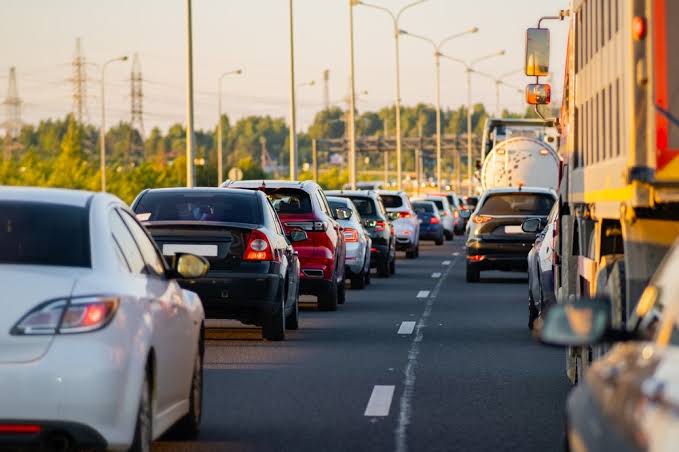
Holiday traffic can make a familiar drive feel completely different. Congested highways, crowded parking areas, impatient drivers, crashes, and weather disruptions can add uncertainty to even a short trip. Leaving earlier creates breathing room, while having alternative routes keeps one delay from controlling the entire journey.
Build Extra Time Into the Trip
A schedule with no flexibility encourages rushed decisions. Drivers may follow too closely, change lanes repeatedly, or speed after losing time in congestion.
Start earlier than the minimum travel estimate suggests. Holiday-focused driving and vehicle topics can provide broader planning ideas, but your departure window should reflect the specific route, weather, events, and expected traffic.
Avoid Making Arrival Time Too Precise
Instead of planning around an exact arrival minute, use a reasonable window whenever possible. That reduces the temptation to recover lost time aggressively.
If an appointment or gathering has a fixed starting time, aim to arrive early enough that one moderate delay doesn’t create pressure.
Create Alternative Routes Before Leaving
Alternative routes are more useful when planned before congestion starts. Waiting until traffic stops completely can leave you with poor choices or unfamiliar local roads.
Review at least one realistic alternative using your preferred mapping service. General automotive navigation resources can complement route research, but live traffic information should guide real-time changes where available.
| Traffic Problem | Better Response | Benefit |
|---|---|---|
| Heavy motorway congestion | Consider planned alternative | More options |
| Crash ahead | Follow safe rerouting | Avoid blocked lanes |
| Crowded service area | Use later planned stop | Less frustration |
| Delayed arrival | Update others safely | Less pressure |
Make Rest Stops Part of the Schedule
Holiday traffic can increase driving time substantially. A driver who planned one short trip may unexpectedly spend much longer behind the wheel.
Choose possible rest areas in advance. Broader travel planning material may help organize journey logistics, while actual stopping decisions should depend on fatigue, passengers, traffic, and road conditions.
Don’t Wait Until You’re Exhausted
Fatigue can build gradually, especially after long periods of slow traffic followed by faster highway sections. Stop before concentration noticeably drops.
A short break, water, food, and movement outside the vehicle can make the next section easier to manage.
Reduce Stress Inside the Vehicle
Set navigation, music, climate controls, and essential phone settings before moving. Trying to adjust several things while surrounded by unpredictable traffic adds unnecessary distraction.
Passengers can help with navigation, messages, or finding rest stops. Drivers should keep their primary attention on traffic.
Mistakes That Make Holiday Traffic Worse
Constant lane changing rarely transforms a major traffic jam into a fast trip. It can instead increase workload while creating more opportunities for conflict or collision.
Another common mistake is treating every delay as something that must be recovered. A slower arrival is usually easier to manage than risky driving. Accepting a changed schedule can immediately reduce the pressure that leads to poor decisions.
Frequently Asked Questions
What time should I leave during holiday traffic?
There is no universal best departure time. Review expected congestion for your route, weather, local events, and historical traffic patterns, then leave enough extra time to absorb delays.
Is an alternative route always faster?
No. Local roads can become congested when many drivers receive the same rerouting suggestion. Compare the estimated delay and route conditions before leaving the main road.
How can passengers help during heavy traffic?
Passengers can manage navigation, locate rest stops, adjust entertainment, and send arrival updates. Keeping those tasks away from the driver reduces distraction.
Give Yourself More Options
Holiday driving feels less stressful when the plan doesn’t depend on everything running perfectly. Leave earlier, identify alternative routes, schedule realistic breaks, and accept that some delays cannot be recovered safely. A flexible plan won’t remove traffic, but it can prevent congestion from turning an ordinary delay into rushed driving.