 By nDir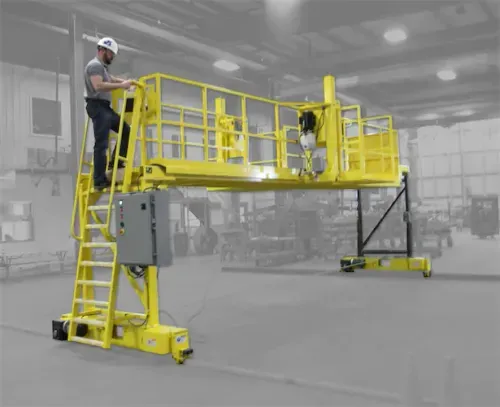
Choosing the right lifting platform is an essential decision for anyone handling heavy equipment or materials. A lifting platform, commonly referred to as 升降台, is designed to raise and lower loads safely, efficiently, and reliably. Whether you are working in a warehouse, construction site, or industrial facility, selecting the correct lifting platform can enhance productivity, improve safety, and ensure long-term operational efficiency.
Understanding the Importance of a Lifting Platform
Manual lifting of heavy objects can be dangerous, leading to workplace injuries and inefficiencies. A 升降台 not only reduces the physical strain on workers but also improves workflow by providing a reliable method to move materials between different heights. Modern lifting platforms come in various designs, including hydraulic lifts, electric lifts, and scissor lifts, each tailored to specific operational requirements.
Types of Lifting Platforms
- Scissor Lifts: These platforms are ideal for vertical movement and are commonly used in warehouses or maintenance work. Scissor lifts offer stability and can handle moderate to heavy loads.
- Hydraulic Lifts: Hydraulic platforms are designed for heavy-duty lifting. They use hydraulic fluid to generate lifting power, making them ideal for industries such as automotive repair, construction, and manufacturing.
- Electric Lifts: Electric platforms are eco-friendly, quiet, and suitable for indoor use. They are energy-efficient and provide precise control over lifting operations.
- Vertical Lifts: Compact in design, vertical lifts are perfect for areas with limited space and are commonly used in storage facilities to optimize vertical space.
Key Factors to Consider
When choosing a 升降台, it’s important to consider:
- Load Capacity: Ensure the platform can safely support the heaviest load you intend to lift. Exceeding the capacity can damage the equipment or cause accidents.
- Platform Size: The platform should be large enough to accommodate your materials or machinery without compromising safety.
- Lifting Height: Select a platform that can reach the required vertical distance efficiently.
- Power Source: Decide between hydraulic, electric, or hybrid systems based on the load requirements, frequency of use, and environmental considerations.
- Mobility: Mobile lifting platforms provide flexibility for different work areas, while stationary lifts offer stability for repetitive tasks.
Safety Considerations
Safety is critical when operating a 升降台. Always ensure that operators are trained and understand the platform’s safety features. Features such as emergency stop buttons, guardrails, anti-slip surfaces, and overload protection should be standard. Regular inspections are necessary to identify potential issues before they become hazards.
Maintenance and Longevity
Routine maintenance is essential to prolong the life of a lifting platform. Check hydraulic fluid levels, lubricate moving parts, and inspect structural components regularly. A well-maintained 升降台 ensures smooth operation, reduces downtime, and minimizes repair costs.
Real-World Applications
Lifting platforms are used in various industries:
- Warehouses: Loading and unloading heavy goods from trucks and shelves.
- Construction: Moving equipment and building materials to different levels.
- Automotive Repair: Raising vehicles for inspection and maintenance.
- Manufacturing: Handling machinery and assembly-line components efficiently.
Conclusion
Selecting the right 升降台 requires a careful assessment of your operational needs, safety requirements, and workspace conditions. A properly chosen lifting platform increases productivity, reduces injuries, and provides a long-term solution for handling heavy materials. Investing time in selecting the right model will pay off through enhanced workflow, safety, and efficiency.