 By nDir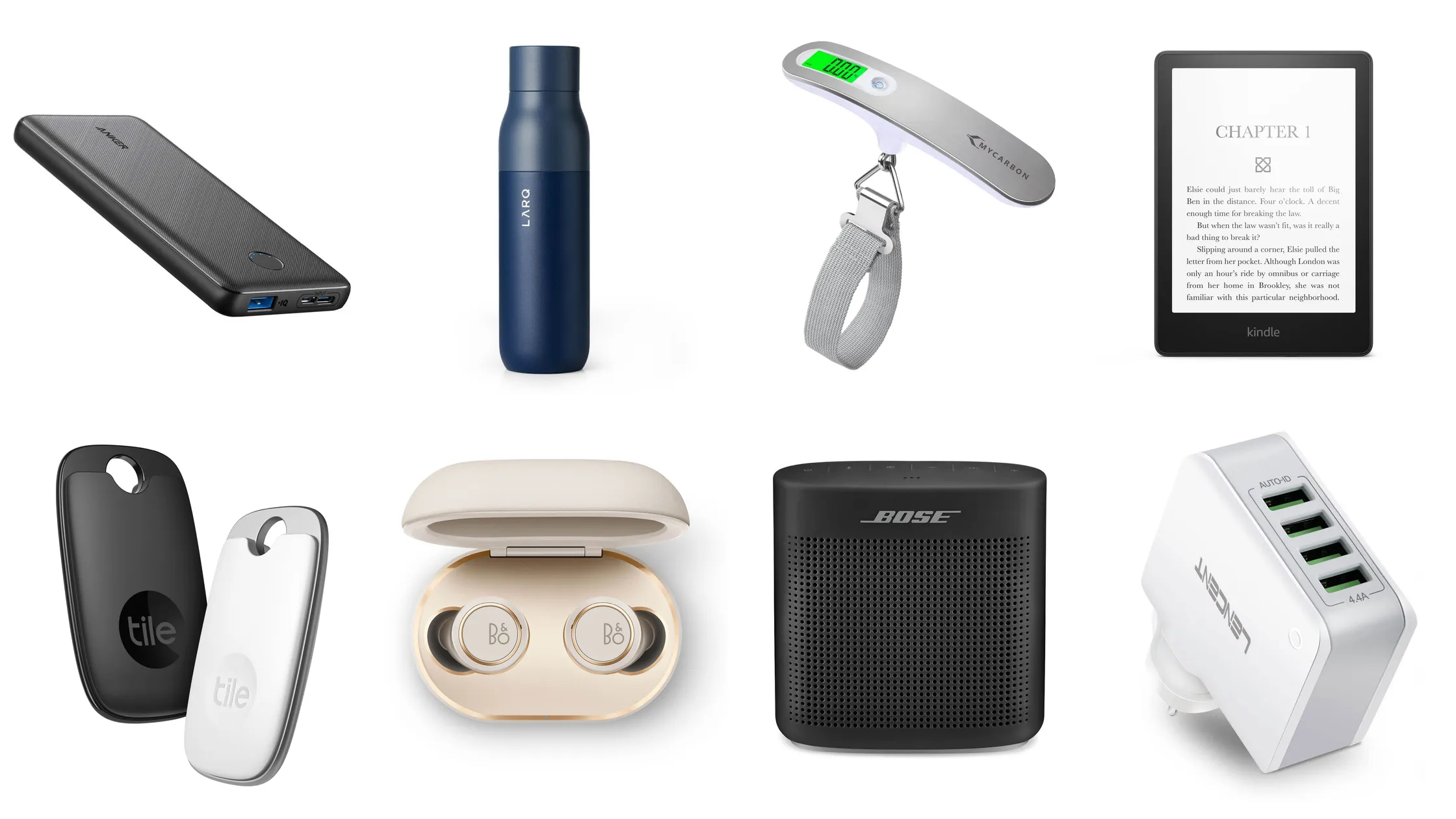
Traveling with electronic devices has become part of modern life. Whether you are carrying a smartphone, laptop, tablet, camera, or wireless earbuds, these gadgets help you stay connected, productive, and entertained. However, travel also increases the risk of theft, accidental damage, data loss, and power-related issues.
Many travelers focus only on packing efficiently, but protecting your electronics should be just as important as protecting your passport or wallet. A lost phone can mean more than replacing hardware—it may involve personal photos, banking access, work files, and sensitive information.
Understanding how to secure your gadgets before and during your trip can save you from stress, financial loss, and unnecessary disruptions.
Protect Your Data Before Protecting the Device
Physical safety is important, but digital security matters even more. Before your trip, back up all important files to cloud storage or an external drive. If your phone or laptop gets lost, your data should not disappear with it.
Enable strong passwords, fingerprint locks, or facial recognition on all devices. Avoid simple passcodes like birthdays or repeated numbers. Two-factor authentication adds another strong layer of protection, especially for email, banking apps, and work accounts.
Installing tracking features such as “Find My Device” or remote wipe options can also be extremely useful. If a device is stolen, you may be able to locate it or erase sensitive information remotely.
Public Wi-Fi networks at airports, hotels, and cafés can also be risky. Avoid logging into financial accounts or handling sensitive business information on unsecured networks unless you are using a trusted VPN.
Keep Gadgets Safe in Transit
Airports, train stations, and tourist attractions are common places for gadget theft. Crowded environments make it easier for pickpockets and opportunistic thieves to act unnoticed.
Always keep your electronics in your carry-on bag rather than checked luggage. Checked baggage can be delayed, damaged, or opened without your immediate knowledge. Your most valuable devices should stay close to you.
When sitting in public spaces, avoid placing your phone or laptop openly on tables and then walking away, even for a short moment. Many thefts happen in seconds.
Crossbody anti-theft bags with hidden zippers can be especially helpful for protecting smaller electronics like power banks, cameras, and smartphones. The goal is simple: make your belongings difficult to access and unattractive to steal.
Stay Powered Without Creating New Risks
Running out of battery during travel can leave you without maps, tickets, or emergency contacts. This is why many travelers now carry a portable power station or a reliable power bank, especially for road trips, camping adventures, or long international journeys.
However, charging safely is just as important as charging conveniently. Avoid using unknown charging stations in public places if possible, as some may present security risks through compromised USB ports.
Use your own charger and cable whenever possible. Surge-protected adapters are also useful when traveling internationally, especially in destinations with unstable electricity supply.
Keeping your devices powered ensures safety, but using trusted charging solutions ensures security.
Hotel Safety for Electronics
Hotels may feel secure, but electronics should never be left carelessly in plain sight. Housekeeping access, shared accommodations, or simple forgetfulness can all create problems.
Use the in-room safe for smaller valuables like passports, cameras, and backup phones. For laptops that do not fit inside, keep them hidden in locked luggage rather than leaving them on a desk.
Charging devices overnight is common, but avoid leaving expensive electronics unattended in public hotel lounges or charging stations. Even luxury hotels are not immune to theft.
If you are working remotely while traveling, be extra careful with work laptops and confidential files. Privacy screens and secure Wi-Fi connections are often overlooked but highly valuable.
Stay Aware Throughout the Journey
Technology safety often comes down to awareness. Being distracted by maps, boarding passes, or sightseeing can make it easier to forget a charger in a café or leave a tablet on a plane seat.
Create a simple habit of checking your essentials before leaving any location: phone, wallet, passport, charger, laptop. This small routine can prevent major inconvenience.
Trust your instincts as well. If a place feels unsafe, avoid displaying expensive gadgets unnecessarily. Sometimes the best security strategy is simply staying discreet.
Pack Smart Before You Leave
The first step to gadget protection starts before you even leave home. Avoid bringing unnecessary electronics. Carry only what you truly need for the journey. Fewer devices mean fewer risks.
Use padded organizers or shockproof cases for fragile items like tablets, cameras, and laptops. Chargers, cables, and adapters should also be stored neatly to prevent damage. A tangled charging cable may seem minor, but broken accessories can quickly become frustrating during travel.
If you are carrying devices like a hair dryer, make sure it is packed separately from fragile electronics and protected from moisture. Appliances with heating elements should never be stored carelessly next to sensitive gadgets.
It is also wise to label your devices discreetly. A small identification tag or contact sticker can help recover lost items without making your belongings too noticeable to thieves.
Conclusion
Travel should be exciting, not stressful. By planning ahead, protecting your data, charging safely, and staying aware in public spaces, you can significantly reduce the risk of losing or damaging your valuable electronics. Smart preparation is the best form of gadget security.