 By nDir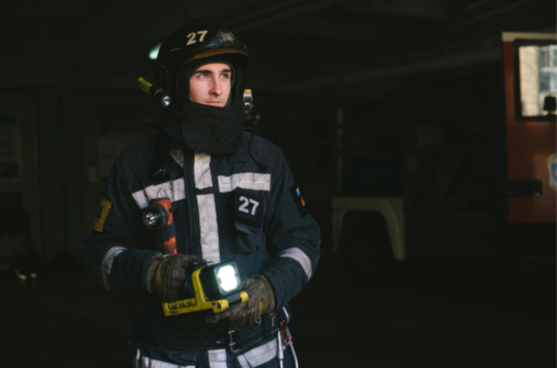
If your fire alarm system goes down in a commercial building, you don’t get to “wait it out.” In most U.S. cities, the fire marshal expects immediate action. That usually means bringing in trained personnel to monitor the property until systems are restored. Many business owners only discover this requirement when they’re already under pressure, facing deadlines and possible shutdowns.
That’s where fire watch guards step in. They are not just placeholders for broken systems. They actively reduce risk, enforce safety practices, and make sure your building doesn’t become the next incident report.
What Fire Watch Guards Actually Do on the Ground
A lot of people assume a fire watch is just walking around with a flashlight. That’s not even close. A proper fire watch guard follows a structured patrol routine, often every 15 to 30 minutes, depending on local fire code.
They check high-risk areas first. Electrical panels, storage rooms, kitchens, construction zones. Anywhere heat, sparks, or flammable materials exist gets extra attention. If something looks off, they don’t ignore it. They log it, report it, and escalate if needed.
They also keep detailed written records. This is not busywork. Those logs are often reviewed by fire inspectors. If something goes wrong and you have no documentation, you’re exposed legally.
When Fire Watch Becomes Legally Required
In the U.S., fire watch is not optional in many situations. It is triggered by clear compliance rules.
The most common trigger is system failure. If your sprinkler or alarm system is offline for more than a few hours, most jurisdictions require a fire watch. No exceptions. You either fix the system immediately or bring in guards.
Construction sites are another major trigger. Welding, cutting, and exposed wiring create constant fire risk. Local codes often require fire watch during active work and sometimes even hours after work stops.
Then there are occupancy risks. If you’re running a crowded event, operating a hotel, or managing a healthcare facility, any lapse in fire protection can force you to implement fire watch immediately.
Ignoring these triggers is not a gray area. It’s a violation.
Real-World Scenarios Where Fire Watch Is Mandatory
Picture a mid-sized office building in Texas. The sprinkler system fails overnight due to a pipe issue. Repairs will take 24 hours. The building owner has two options. Shut down operations or bring in fire watch guards to maintain occupancy legally.
Or take a construction project in California. Workers are using torches for metal cutting. Sparks are flying. Fire watch guards are stationed nearby, not just during the work but for a cooldown period after. This is standard compliance, not extra caution.
Even something as simple as a faulty fire alarm panel in a retail store can trigger fire watch requirements. If the system can’t alert occupants, a human presence becomes the backup.
These are not rare cases. They happen every day across the country.
The Business Risks Most Owners Underestimate
Here’s the part many businesses get wrong. They treat fire watch as an expense instead of risk control.
If a fire breaks out while your system is down and you didn’t assign fire watch, the liability lands directly on you. Insurance companies don’t like negligence. Claims can be reduced or denied entirely.
Fines are another issue. Fire code violations can lead to penalties that escalate quickly. In some cities, you can be fined daily until compliance is restored.
Then there’s forced closure. Fire marshals have the authority to shut down operations on the spot if safety measures are not in place. That means lost revenue, unhappy customers, and potential damage to your reputation.
How Fire Watch Guards Prevent Problems Before They Start
The real value of fire watch guards is prevention. They don’t just react to fires. They stop them from happening.
A guard might notice overloaded power strips in an office. That gets corrected before it becomes a spark. In a warehouse, they might spot improperly stored flammable materials and have them moved immediately.
In construction zones, they monitor hot work closely. If sparks land where they shouldn’t, they act fast. Sometimes that means using extinguishers. Other times it means stopping work entirely.
They also enforce basic safety discipline. Clear exits, no blocked hallways, proper use of equipment. These details matter more than people think.
After a few days of consistent monitoring, most sites become noticeably safer.
Industry-Specific Responsibilities That Change the Job
Fire watch is not one-size-fits-all. Duties shift depending on the environment.
In commercial buildings, guards focus on occupant safety and evacuation readiness. They make sure alarms, even temporary ones, can be heard and that exits are always accessible.
In construction, the job is more aggressive. Guards stay close to active work zones, watching for sparks, heat buildup, and unsafe practices. Timing matters here. A delay of even a few minutes can make a difference.
In healthcare facilities, the stakes are higher. Patients may not be able to evacuate quickly. Guards coordinate closely with staff and follow stricter protocols.
Events and public gatherings bring crowd control into the mix. Fire watch guards monitor both fire risks and how quickly people can exit if something goes wrong.
This flexibility is what makes trained professionals essential. You can’t assign this role to untrained staff and expect the same outcome.
Why Choosing the Right Provider Matters
Not all services deliver the same level of reliability. This is where many businesses cut corners and regret it later.
A professional service like fire watch guards understands compliance across different states and cities. They know what fire marshals expect, how often patrols should be conducted, and how to document everything properly.
They also provide trained personnel who can make judgment calls under pressure. That’s critical. When a situation develops, hesitation can turn a small issue into a major incident.
Cheap, unverified providers might save money upfront. But they often lack proper training, documentation standards, and accountability. That’s a risky trade.
The Cost of Ignoring Fire Watch
Some businesses try to “get by” without fire watch, especially if they think the risk is low or the downtime is short.
That mindset is dangerous.
Fires don’t follow schedules. A small electrical fault during those few hours without protection can escalate quickly. Without a guard present, detection is delayed. Response is slower. Damage spreads.
Even if nothing happens, you’re still exposed. Inspections, audits, and random checks can uncover non-compliance. At that point, you’re dealing with fines and possible shutdowns.
Fire watch is not about worst-case scenarios. It’s about controlling everyday risks that are easy to overlook.
Final Thoughts
Fire watch guards do more than fill a gap when systems fail. They actively manage risk, enforce safety, and keep businesses compliant during vulnerable periods.
If you run a property in the U.S., you need to understand when fire watch is required and act quickly when those situations arise. Waiting, delaying, or cutting corners is where problems begin.
The reality is simple. Fire hazards don’t need much to escalate. A trained set of eyes on-site can be the difference between a normal day and a serious incident.