 By
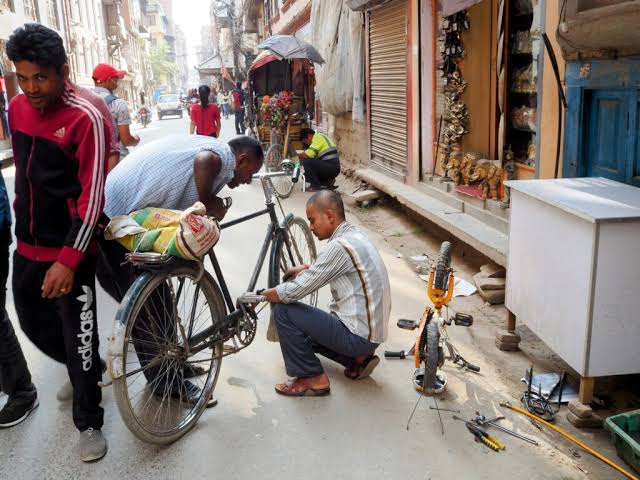
For years, replacing a broken product seemed easier than getting it repaired. A damaged phone, malfunctioning appliance, or worn piece of furniture often ended up in the trash because purchasing something new appeared more convenient. However, consumer attitudes are gradually changing. Rising living costs, environmental concerns, and a renewed appreciation for craftsmanship are encouraging people to reconsider their relationship with everyday possessions. Repair culture is gaining attention as consumers discover that extending the life of existing products can be both practical and financially rewarding.
Changing Attitudes Toward Product Ownership
Modern consumers are becoming more thoughtful about their purchasing decisions. Instead of treating every damaged item as disposable, many are considering whether it can be restored to working condition. This change reflects a growing interest in responsible consumption and making better use of available resources.
People are also recognizing that newer products are not automatically better than older alternatives. A well maintained appliance or carefully repaired piece of furniture may continue performing effectively for years. Various Australian articles discussing consumer habits and sustainable living have helped bring attention to the value of maintaining products rather than constantly replacing them.
Repairing possessions also creates a stronger sense of ownership. Consumers who invest time and effort into maintaining their belongings often develop a greater appreciation for their usefulness and durability.
Rising Living Costs Are Encouraging Repairs
Financial considerations are among the strongest reasons consumers are reconsidering repairs. Replacing household appliances, electronic devices, and furniture can place considerable pressure on personal budgets, particularly when several expenses arise unexpectedly.
A repair may cost significantly less than purchasing a replacement, depending on the product, its condition, and the availability of spare parts. For example, replacing a damaged washing machine component could be more economical than buying an entirely new appliance.
Similar thinking applies to vehicle maintenance. Consumers researching a transportation guide may discover useful information about routine servicing, component replacement, and preventive maintenance. Addressing mechanical issues early can sometimes prevent expensive repairs and extend a vehicle’s usable life.
However, repair costs should always be compared with replacement prices, safety considerations, and the expected remaining lifespan of the product.
Environmental Awareness Is Changing Consumer Behavior
Discarded electronics, appliances, clothing, and furniture contribute to growing waste management challenges. Manufacturing replacements also requires raw materials, energy, transportation, and packaging, creating additional environmental impacts.
Repairing existing products can reduce the demand for new manufacturing while keeping usable materials out of landfills. Extending a product’s lifespan may also reduce its overall environmental footprint, especially when repairs require relatively few replacement components.
Environmental awareness is becoming part of broader lifestyle discussions. Readers exploring an Australia blog focused on sustainability may encounter practical ideas involving clothing alterations, furniture restoration, electronic repairs, and responsible purchasing habits.
Rather than expecting consumers to stop buying products altogether, repair culture encourages them to consider the full value of what they already own.
Traditional Repair Skills Are Finding New Audiences
Skills that were once common in households are attracting renewed interest. Sewing damaged clothing, restoring wooden furniture, repairing bicycles, and maintaining small household items are becoming appealing activities for people seeking practical alternatives to replacement.
Online tutorials and community workshops have made many basic repair techniques easier to learn. People can explore beginner projects, understand essential tools, and gradually build confidence in maintaining their possessions.
Community repair events also create opportunities for experienced individuals to share knowledge with others. These gatherings encourage cooperation while demonstrating that repairing everyday objects does not always require extensive technical experience.
Nevertheless, complex electrical, structural, or mechanical repairs should be handled by qualified professionals when safety is involved.
Local Communities Are Supporting Repair Culture
Repair culture is not limited to individual households. Local businesses, independent technicians, alteration specialists, and restoration workshops play important roles in keeping products useful for longer.
Supporting these services can strengthen local economies while giving consumers access to specialized knowledge. A neighborhood furniture restorer, for instance, may help preserve a valued item that would otherwise be discarded.
Discussions within a Melbourne lifestyle blog may also introduce readers to local repair workshops, secondhand shopping habits, and community initiatives that encourage sustainable consumption. Such conversations help make repairing possessions feel like a normal part of modern urban living.
A More Thoughtful Approach to Everyday Consumption
Repair culture represents more than a temporary interest in saving money. It reflects a broader shift toward understanding product value, reducing unnecessary waste, and making informed purchasing decisions.
Manufacturers can contribute by offering replacement parts, repair instructions, and products designed for easier maintenance. Consumers, meanwhile, can prioritize durability and repairability when choosing new purchases.
Not every damaged product deserves repair, particularly when restoration becomes unsafe or financially unreasonable. Still, considering repair before replacement creates an opportunity to reduce waste and preserve useful possessions.
As more people embrace this approach, repair culture may become an increasingly familiar part of everyday consumer behavior, proving that extending the life of something old can sometimes be more valuable than purchasing something new.