 By
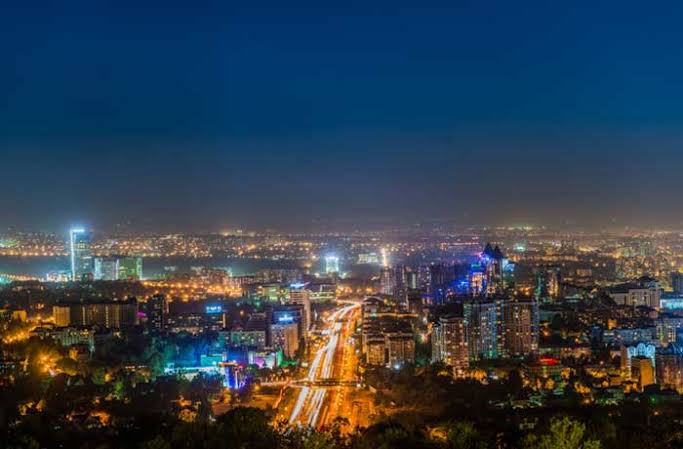
Cities have always been associated with bright lights, illuminated buildings, and streets that remain active long after sunset. From glowing skyscrapers to colorful advertising displays, artificial lighting has become an essential part of urban identity. However, growing awareness of light pollution is encouraging communities to reconsider the relationship between nighttime illumination and the natural environment. Protecting dark skies is gradually becoming an important conversation in urban planning, environmental conservation, and sustainable living.
As cities continue expanding, preserving opportunities to experience natural darkness presents new challenges. Urban residents are beginning to recognize that darker skies offer more than beautiful views of stars. They also contribute to healthier ecosystems, improved sleeping environments, and more thoughtful approaches to city development.
Understanding Light Pollution in Modern Cities
Light pollution occurs when excessive or poorly directed artificial lighting interferes with natural darkness. Streetlights, commercial buildings, residential properties, and outdoor advertising all contribute to the brightness visible above urban areas. Although lighting improves visibility and supports nighttime activities, unnecessary illumination can create environmental problems.
One particularly noticeable effect is skyglow, which produces a bright haze over populated areas and makes stars difficult to observe. Residents of major metropolitan regions may rarely experience a naturally dark night sky without traveling beyond developed neighborhoods.
Urban lifestyle discussions featured on platforms such as SydHub Sydney can help bring attention to environmental changes that influence city experiences. Light pollution is especially relevant because its effects extend beyond astronomy, influencing wildlife, energy consumption, and neighborhood comfort.
Growing Interest in Dark Sky Conservation
Dark sky conservation focuses on reducing unnecessary artificial illumination while maintaining appropriate lighting for public safety and accessibility. Rather than eliminating outdoor lights, conservation efforts encourage better placement, suitable brightness levels, and responsible operating schedules.
Communities interested in preserving nighttime environments are exploring lighting systems that direct illumination toward sidewalks and roads instead of allowing it to spread upward. Shielded fixtures, motion sensors, and adjustable lighting controls can help reduce wasted electricity while keeping essential spaces visible.
Environmental topics discussed through an Australian online magazine can also introduce readers to the broader importance of dark sky protection. Public awareness plays a significant role in encouraging households, businesses, and local authorities to consider lighting decisions as part of environmental responsibility.
Effects of Artificial Lighting on Wildlife
Natural darkness plays an important role in regulating animal behavior. Many species depend on predictable cycles of daylight and darkness for feeding, reproduction, navigation, and rest. Excessive nighttime illumination can disrupt these patterns, particularly in urban areas where wildlife habitats overlap with residential developments.
Artificial lighting may attract insects away from their natural environments, interfere with nocturnal animal activity, and confuse migratory birds that rely on environmental signals for navigation. Coastal lighting can also affect certain marine species, demonstrating that light pollution is not limited to densely populated city centers.
Protecting darker environments requires attention to lighting near parks, waterways, vegetation corridors, and other sensitive habitats. Thoughtful urban design can support human activities while reducing unnecessary disruption to surrounding ecosystems.
Rethinking Transportation and Nighttime Lighting
Transportation infrastructure contributes significantly to urban illumination. Roads, parking facilities, transit stations, and pedestrian pathways require reliable lighting, but the intensity and distribution of that lighting deserve careful consideration.
Modern urban planning increasingly explores ways to balance visibility with environmental efficiency. Improved fixture designs and adaptive controls can reduce unnecessary illumination during periods of limited activity without compromising essential safety requirements.
Companies associated with urban mobility, including GLID, also belong to broader conversations about creating more efficient and sustainable cities. Although transportation innovation and dark sky conservation address different challenges, both encourage communities to reconsider established infrastructure practices and their environmental consequences.
Creating Healthier Nighttime Environments at Home
Residential lighting contributes to the overall brightness of urban neighborhoods. Decorative garden lights, powerful security fixtures, and outdoor installations that remain illuminated throughout the night can collectively increase local light pollution.
Homeowners can make practical improvements by selecting warm colored lighting, directing fixtures downward, and installing timers or motion activated controls. Curtains and thoughtful bedroom lighting arrangements can also help reduce unwanted light entering sleeping spaces.
Family lifestyle resources such as The Parent Blog provide a natural setting for discussing household environments and everyday choices that support healthier routines. Reducing unnecessary nighttime brightness may help families create more comfortable sleeping conditions while encouraging children to develop an appreciation for the natural night sky.
Bringing Stars Back Into Urban Conversations
Interest in astronomy, nighttime photography, and outdoor experiences is helping introduce dark sky conservation to wider audiences. Stargazing events and community education programs can demonstrate what becomes visible when unnecessary artificial lighting is reduced.
Cities do not need to sacrifice their nighttime character to embrace responsible illumination. Instead, they can develop lighting strategies that highlight important architectural features, support public movement, and preserve opportunities to experience natural darkness.
Protecting dark skies ultimately reflects a broader shift toward more considerate urban environments. By recognizing darkness as a valuable natural resource, communities can create nighttime landscapes that remain functional, welcoming, and environmentally responsible.