 By
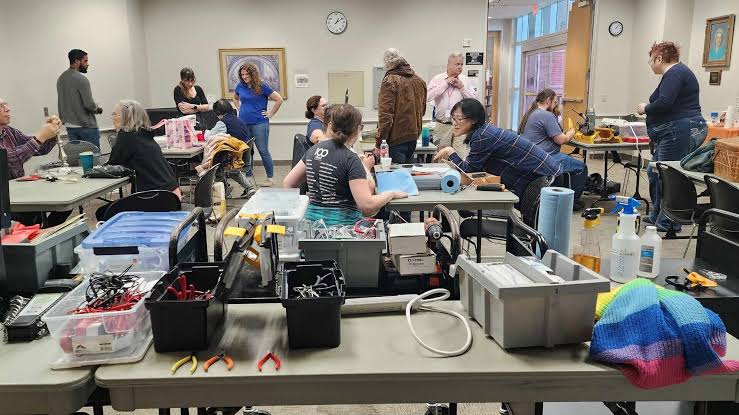
A broken toaster, a damaged chair, or a favorite jacket with a torn seam often ends up in the rubbish bin simply because repairing it seems inconvenient. Many household items are discarded even when their problems are relatively minor. Community repair cafes are challenging this habit by bringing people together to fix everyday belongings rather than replace them. These community initiatives offer practical assistance, encourage people to learn useful skills, and create opportunities for neighbors to connect while reducing unnecessary waste.
Giving Household Items a Second Life
Community repair cafes operate on a simple principle: many broken objects deserve another chance before being thrown away. Volunteers with experience in electronics, sewing, woodworking, and general maintenance help visitors identify problems and explore possible repairs. Instead of immediately purchasing replacements, participants can discover whether their belongings can be restored through basic adjustments or replacement parts.
Common items brought to these gatherings include lamps, clothing, bicycles, kitchen appliances, and small furniture pieces. Some repairs require only a loose connection to be secured, while others involve more detailed work. Although not every object can be repaired successfully, the process encourages people to reconsider their relationship with household possessions and recognize the value of maintaining what they already own.
Repair Cafes as Practical Community Spaces
Beyond fixing damaged belongings, repair cafes provide welcoming environments where individuals can exchange knowledge and experiences. Retired tradespeople, hobbyists, students, and residents with practical skills often contribute their time to help others. These interactions create opportunities for learning that might otherwise be unavailable in everyday settings.
For someone managing a busy daily commute, finding time to investigate a broken household appliance can be difficult. A local repair cafe held during the weekend offers an accessible opportunity to address small maintenance problems without navigating multiple repair services. Visitors can also learn simple troubleshooting techniques that may prevent similar issues from occurring again.
The collaborative atmosphere is particularly valuable because participants are often encouraged to observe or assist with repairs. This approach transforms a routine maintenance task into an educational experience, helping people develop confidence in handling minor household problems independently.
Reducing Waste Through Practical Action
Household waste remains an important environmental concern, especially when products are discarded before reaching the end of their useful lives. Small electrical devices, textiles, and furniture contribute to waste streams that require significant resources to manage. Repair cafes offer a practical response by extending the lifespan of suitable products and encouraging more thoughtful consumption.
Community discussions featured across platforms such as Melbwire Melbourne can help bring attention to local sustainability initiatives and encourage residents to explore alternatives to unnecessary purchases. Repair cafes provide a tangible example of environmental responsibility because participants can directly observe the benefits of restoring existing belongings.
Repairing an item may also reduce demand for replacement products, packaging, and transportation. However, successful repairs depend on factors such as product condition, component availability, and safety considerations. Electrical appliances in particular should be assessed by appropriately skilled individuals before being returned to regular use.
Bringing Traditional Skills Into Modern Households
Practical repair skills were once commonly passed between generations through everyday household activities. As consumer products became more affordable and replacement options more convenient, many families gradually moved away from repairing damaged belongings themselves.
Community repair cafes are helping revive these skills by creating informal learning opportunities. Visitors might discover basic stitching techniques, learn to maintain bicycle components, or understand the importance of identifying loose furniture fittings before they become serious problems.
An Australian blog covering community initiatives, sustainable living, or household management can highlight the broader value of these gatherings. Their importance extends beyond environmental benefits because they also preserve practical knowledge that can be shared across different age groups and backgrounds.
Encouraging Children to Understand Repair and Responsibility
Repair cafes can also introduce younger generations to the importance of caring for their possessions. Children who observe adults repairing toys, clothing, or household accessories begin to understand that damaged items do not automatically become useless. These experiences encourage patience, curiosity, and a greater appreciation for the effort involved in maintaining everyday belongings.
Topics commonly explored through a parenting blog Australia audience, including responsible consumption and practical family activities, connect naturally with the educational value of community repair initiatives. Parents can use suitable repair activities to explain material waste, household budgeting, and the importance of looking after shared possessions.
Simple activities such as sewing a loose button or repairing a damaged book cover can help children develop practical confidence. More complicated repairs should remain the responsibility of experienced adults, particularly when electrical components or sharp tools are involved.
Creating Stronger Neighborhood Connections
One of the less obvious advantages of community repair cafes is their ability to strengthen local relationships. People who might never interact during ordinary routines can meet while discussing broken appliances, sharing tools, or exchanging maintenance advice.
These gatherings can also create meaningful opportunities for older residents to contribute valuable knowledge. Experienced volunteers often possess practical abilities developed over decades, and sharing those skills allows them to remain actively involved in community life.
For newcomers, repair cafes provide informal spaces to meet neighbors and become familiar with local resources. Regular gatherings can gradually establish networks of people willing to exchange knowledge, recommend reliable services, and support one another with small household challenges.
A More Thoughtful Approach to Household Consumption
Community repair cafes demonstrate that extending the life of household belongings does not always require expensive equipment or professional workshops. Sometimes, a little guidance, a suitable replacement component, and a willingness to learn can make a meaningful difference.
Their growing relevance reflects an interest in practical sustainability, community participation, and responsible spending. By making repair knowledge more accessible, these initiatives encourage households to question the assumption that replacing something is always easier than fixing it. More importantly, they show that giving broken possessions another chance can also create opportunities for learning, cooperation, and stronger community relationships.