 By TomEditor
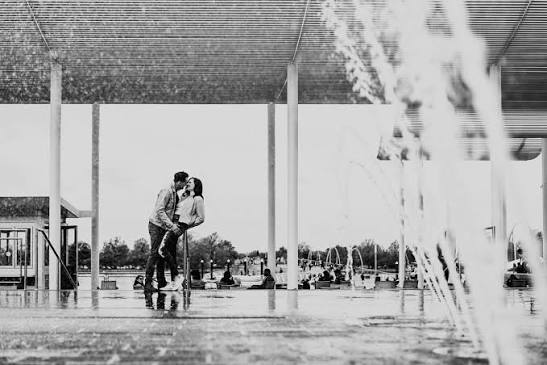
Washington, DC, is known for its historic landmarks, modern venues, waterfront attractions, and vibrant business community. Among its most appealing destinations, The Wharf stands out as a location for corporate gatherings, conferences, networking events, and private celebrations. With its scenic waterfront views and contemporary atmosphere, this popular destination offers excellent opportunities for professional event photography. Hiring a skilled The Wharf DC photographer can help individuals and organizations preserve meaningful moments while creating polished visual content for marketing, communication, and future promotions.
From executive meetings to large corporate conferences, professional photography plays an important role in documenting events and communicating their value. The right photographer understands how to capture both the atmosphere of a venue and the important interactions that make an event memorable.
Why The Wharf Is an Excellent Location for Event Photography
The Wharf combines attractive waterfront scenery with modern architecture, restaurants, meeting spaces, and entertainment venues. This combination creates a distinctive setting for business events and social occasions. Photographers can use the surrounding environment to produce images that feel professional, engaging, and connected to Washington, DC.
Natural light reflecting from the water can add depth to photographs, while contemporary buildings provide clean backgrounds for portraits and group pictures. Outdoor walkways and waterfront spaces can also offer opportunities for candid images of attendees networking before or after scheduled sessions.
For companies hosting events in this area, professional photography provides more than a visual record. It helps communicate the experience to future attendees, business partners, clients, and employees.
The Importance of District Wharf Conference Photography
Conferences bring together professionals, speakers, business leaders, and industry specialists to exchange knowledge and develop relationships. Effective District Wharf conference photography documents these activities while highlighting the event’s purpose and professional atmosphere.
Conference photographs may include keynote presentations, panel discussions, audience participation, networking sessions, registration activities, and sponsor displays. Capturing a variety of moments helps create a complete visual story rather than a collection of unrelated pictures.
Experienced conference photographers understand that timing is essential. Important moments, such as a speaker emphasizing a key point or attendees engaging in a discussion, may happen quickly. A photographer must remain attentive throughout the program to capture these moments without disrupting the event.
High-quality conference images can later be used in company newsletters, annual reports, website galleries, internal communications, and promotional campaigns. They also provide useful material for promoting future conferences and demonstrating an organization’s involvement in its industry.
Essential Qualities of a Professional The Wharf DC Photographer
Selecting a photographer involves more than comparing portfolios or prices. Event organizers should look for someone with the technical skills, preparation, and communication abilities required to work in a professional environment.
Experience With Corporate Events
Corporate events often involve detailed schedules, formal presentations, and specific photography requirements. A photographer with relevant experience understands how to work discreetly, follow event timelines, and anticipate important moments.
Experience also helps photographers adapt to different settings, including conference rooms, exhibition areas, reception spaces, and outdoor waterfront locations.
Strong Technical Skills
Lighting conditions can change throughout an event. Indoor conference rooms may require careful exposure adjustments, while outdoor locations can present challenges involving bright sunlight, shadows, and reflections.
Professional equipment and a strong understanding of photography techniques help produce clear, well-composed images across different environments. Photographers should also understand how to capture speakers, groups, and candid interactions without compromising image quality.
Professional Communication
Before an event, organizers should discuss the schedule, expected deliverables, important attendees, and preferred photography style. Clear communication helps the photographer prioritize essential moments and coordinate with the event team.
A reliable professional also understands the importance of punctuality, appropriate conduct, and respecting attendees’ privacy.
Capturing the Complete Conference Experience
Successful conference photography tells a story about the event from beginning to end. Each stage provides different opportunities to create meaningful images.
Arrival and Registration
The opening moments help establish the atmosphere of a conference. Photographs of registration desks, welcome signs, venue details, and arriving guests can introduce viewers to the event.
These images are especially useful for documenting attendance and showing how the event was organized.
Speakers and Presentations
Keynote speeches and panel discussions are often central to a conference. Photographers should capture speakers at engaging moments, along with wider images showing the audience and presentation environment.
A balanced collection includes both close-up photographs and broader views that communicate the scale and structure of the event.
Networking and Collaboration
Networking is an important part of many professional gatherings. Candid images of conversations, introductions, and collaborative discussions demonstrate the value of bringing people together.
These photographs can be particularly useful for organizations that want to promote their professional community and encourage participation in future events.
Venue and Waterfront Details
The Wharf’s waterfront setting can provide distinctive images that help separate an event gallery from photographs taken at conventional conference venues.
Photographs of the surrounding architecture, event signage, room arrangements, and relevant outdoor views can add context. When appropriate, these images can also support promotional materials that highlight Washington, DC, as a conference destination.
How Conference Photography Supports Business Marketing
Professional event photography can continue delivering value long after a conference concludes. Businesses can use selected photographs across several communication channels to maintain engagement and strengthen their public image.
For websites, event galleries provide visual evidence of organizational activity. Social media posts can highlight speakers, important announcements, and memorable moments. Marketing teams can also incorporate event photographs into presentations, press materials, and promotional campaigns.
Photographs may support future event registration by showing potential attendees what they can expect. Images of active discussions, well-organized sessions, and engaged participants can communicate the atmosphere of a previous event more effectively than text alone.
Organizations should ensure that photographs are selected and shared in accordance with attendee permissions, event policies, and applicable privacy requirements.
Planning for Successful Photography at The Wharf
Preparation helps photographers deliver better results while minimizing disruptions during an event. Organizers should begin by identifying the most important photography requirements.
Create a shot list that includes speakers, panelists, sponsors, group photographs, networking sessions, and venue details. Share the event schedule in advance so the photographer can plan for key moments and move between locations efficiently.
It is also helpful to discuss the expected number of edited photographs, delivery timelines, image formats, and intended usage rights before confirming a booking.
For waterfront events, organizers and photographers should consider weather conditions, available natural light, and potential restrictions on photography in specific areas. Indoor alternatives may be useful if outdoor plans change.
If the conference includes private sessions or sensitive business discussions, clarify which activities may be photographed and whether any areas or attendees should remain outside the final gallery.
Choosing the Right Photography Style
Different events require different visual approaches. A formal corporate conference may benefit from clean compositions, professional portraits, and carefully framed presentation photographs. A networking reception may call for a more candid style that captures natural interactions and the overall atmosphere.
Some organizations need a combination of both approaches. A thoughtful photography plan can include formal group pictures, speaker portraits, detailed venue images, and spontaneous moments throughout the program.
Reviewing a photographer’s previous corporate event galleries can help organizers determine whether the photographer’s style aligns with their brand and communication goals.
Conclusion
The Wharf offers an appealing waterfront environment for corporate gatherings, conferences, and professional networking events in Washington, DC. Hiring a qualified The Wharf DC photographer helps organizations preserve important moments while creating valuable visual assets for marketing, reporting, and future event promotion.
Meanwhile, professional District Wharf conference photography captures the speakers, attendees, discussions, and venue details that define a successful gathering. By selecting an experienced photographer, planning essential shots, and communicating expectations clearly, event organizers can create a meaningful collection of images that reflects the event’s atmosphere and purpose.
Whether documenting a small business meeting or a large professional conference, thoughtful event photography ensures that the experience can be shared, remembered, and used to support future opportunities.