 By
By 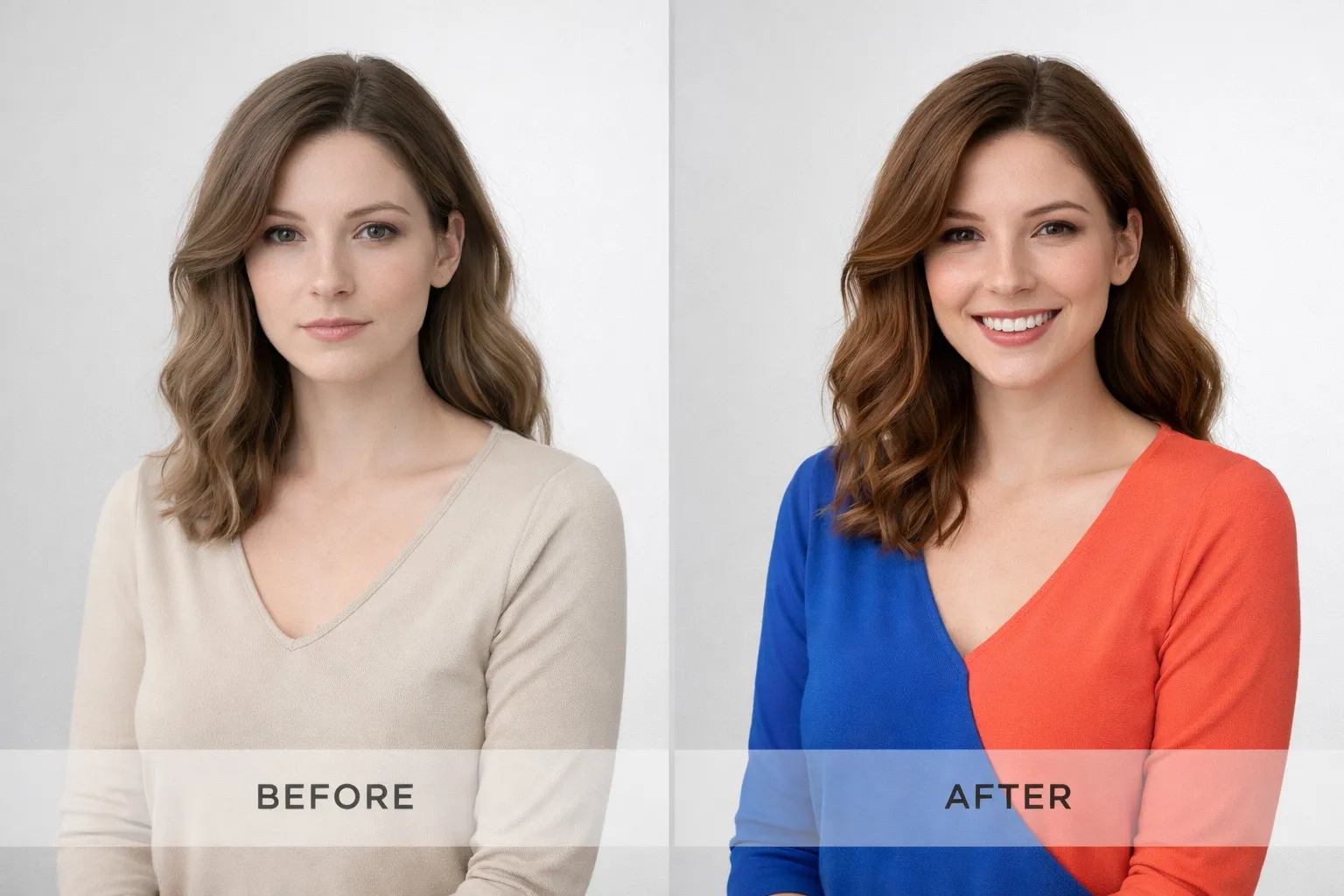
Wrong-color purchases often look good in isolation but fail when they enter the existing wardrobe. The issue may be undertone, brightness, contrast, or simply that the color does not connect with the shoes, jackets, and bottoms you actually wear. A better process starts by separating what looks appealing from what will work in real life. For broader style browsing, wardrobe color guidance can provide extra ideas, but the purchase itself should still pass your personal checklist. For U.S. consumers shopping in stores or online, a few deliberate checks can reduce wasted money without removing the fun from clothes.
Five Shopping Options Worth Using Carefully
Different retailers expose different parts of the buying decision. Some are useful for size charts, some for multi-brand comparison, and some for secondhand condition details. The point is to use those differences as information, not as a reason to skip your own checks.
1. Gap
Gap publishes category-specific size charts and measuring tips for women, men, kids, and baby apparel. That makes it useful when you want to compare body measurements with a labeled size instead of relying on the number or letter alone. When shopping here, keep the article’s main rule in view: the individual garment still has to satisfy your fit, use, quality, and budget needs.
2. Macy’s
Macy’s sells clothing across many brands and notes that size charts are available on many product pages. A department-store assortment can help shoppers compare materials, cuts, and price levels without assuming that one brand’s sizing or quality standard applies to another. The useful habit is to treat Macy’s as one comparison point, then judge the item on its own details before deciding.
3. Nordstrom
Nordstrom carries many apparel and footwear brands, publishes size guides, and offers in-store alterations for a range of clothing. The multi-brand assortment is useful for comparing how fit, fabric, and construction can differ at similar price points. This makes Nordstrom most useful when you arrive with clear criteria and compare the product information with what your wardrobe actually needs.
4. H&M
H&M sells trend-led apparel and basics online and in U.S. stores, with a published return process for eligible purchases. It can be a useful place to practice slowing down on low-cost fashion by checking material details, care needs, and how often an item is likely to be worn. Use the information available at H&M to narrow choices, but make the final call from the garment’s measurements, materials, condition, and likely use.
5. Target
Target offers apparel alongside everyday household shopping and maintains a published returns process with item-specific exceptions. Because fashion can appear next to routine purchases, it is a practical setting for separating a planned clothing need from an unplanned add-on. For this topic, use Target as a place to compare the specific item against your own checklist instead of letting brand familiarity make the decision.
How to Make the Decision More Deliberate
Compare the new shade with your most-used wardrobe colors before buying. For online shopping, remember that screens and product lighting can shift how a color appears. Use your phone to keep a few photos of key wardrobe pieces. In a store, compare the candidate color with those images and imagine it under daylight as well as indoor lighting. For another source of general fashion reading, color coordination ideas can be useful while you keep the actual decision tied to the item in front of you. The important part is consistency. A simple checklist used every time will usually prevent more regret than a long checklist used only on expensive purchases.
Frequently Asked Questions
How can I tell if a clothing color works with my wardrobe?
Check whether it pairs with at least two or three bottoms, layers, or shoes you already wear. Compatibility matters more than whether the color looks attractive by itself.
Why do online clothing colors look different in person?
Screens, camera settings, editing, and lighting can all change color appearance. Product names are also subjective, so treat them as guides rather than exact color standards.
Should I build a personal color palette?
A loose palette can make shopping easier. It does not need to be restrictive; it simply helps new purchases connect with the clothes you already own.
Make the Purchase Earn Its Place
Color becomes easier to buy when it is judged as part of a wardrobe rather than as a single item. Test the shade against what you wear most and let compatibility guide the decision. If you want more practical styling references, practical styling references can be another source of general style reading. What matters most is keeping your own fit, use, and budget rules in charge of the purchase.