 By
By 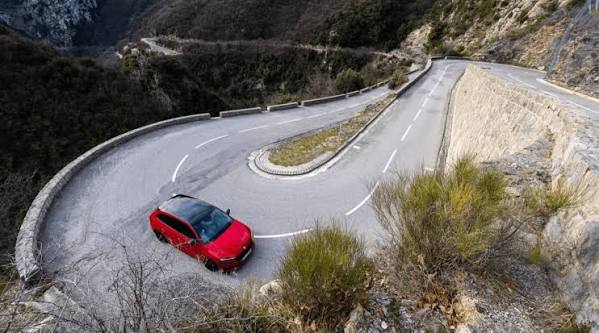
Mountain driving requires more speed management than ordinary flat-road travel. Steep grades, sharp bends, limited sight distance, changing weather, and long descents can quickly expose poor driving habits. Selecting an appropriate gear, leaving extra space, and entering curves at controlled speeds can make mountainous routes far more manageable.
Understand Why Descents Need Extra Attention
Going downhill may feel easier because the vehicle needs less accelerator input, but gravity continuously increases its tendency to gain speed. Relying heavily on the brake pedal throughout a long descent can place unnecessary demand on the braking system.
An appropriate lower gear can help the engine resist acceleration. The exact gear depends on the vehicle, transmission, grade, and road conditions, so drivers should follow the vehicle manufacturer’s guidance.
People researching commercial vehicles and driving equipment may encounter vehicle technology references during trip preparation. Whatever equipment is used, controlling speed before the vehicle builds excessive momentum remains important.
Slow Down Before Curves
Mountain roads frequently hide what lies beyond the next bend. A curve may tighten unexpectedly, traffic may be stopped around it, or debris could be lying on the pavement.
Reduce speed before entering the curve instead of braking sharply halfway through it. Smooth steering and controlled speed help keep the vehicle settled.
Route research can also reveal steep sections, winding roads, and alternate paths. Drivers sometimes use route preparation resources alongside maps and official road information when planning unfamiliar journeys.
Give Yourself More Following Distance
A larger gap provides more time to react if another vehicle slows for a curve, animal, rockfall, stopped traffic, or changing road surface.
Tailgating on a descent is especially unhelpful because both vehicles may need more room to adjust speed smoothly.
Check Tires Before Climbing Into Higher Terrain
Traction becomes particularly important where mountain weather changes rapidly. A dry valley road can become wet, icy, snowy, or covered with loose material at higher elevation.
Inspect tires for obvious damage and adequate condition before departure. Online tire maintenance references may help with general research, while pressure and specification decisions should follow information provided for your particular vehicle.
| Mountain Situation | Main Concern | Driving Response |
|---|---|---|
| Long descent | Speed buildup | Use controlled gearing |
| Blind curve | Limited visibility | Slow before entering |
| Steep climb | Reduced momentum | Maintain steady control |
| Wet pavement | Lower traction | Increase following distance |
Expect Conditions to Change Quickly
Elevation can affect temperature, visibility, and precipitation within a relatively short distance. Fog may appear around higher sections, while shaded bends can remain wet or icy longer than open stretches.
Use headlights as appropriate for visibility and avoid driving faster than the distance you can clearly see ahead. If visibility becomes seriously restricted, slowing down safely is more useful than trying to maintain the normal posted pace.
Wind can also affect exposed roads and bridges. Larger vehicles, trailers, roof loads, and high-sided vehicles may respond more strongly to crosswinds.
Where Mountain Driving Goes Wrong
One common error is descending in a high gear and using the brakes continuously to keep speed down. Another is accelerating between curves and then braking hard for every bend.
Drivers may also follow local traffic too closely because residents appear comfortable traveling faster. Familiarity with the road does not give a visiting driver the same knowledge of upcoming grades, curves, intersections, or surface changes.
Passing can be another problem. Limited sight distance means a passing opportunity that looks clear initially may disappear quickly.
Frequently Asked Questions
Should you use a lower gear going downhill?
A suitable lower gear can help control speed on a descent by increasing engine braking. The correct selection varies by vehicle, so follow the owner’s manual and avoid shifts that would cause excessive engine speed.
Is mountain driving harder at night?
It can be. Darkness reduces the amount of roadway and terrain you can see, while curves, wildlife, changing weather, and unfamiliar intersections may become harder to anticipate.
Should you brake while turning on a mountain road?
Ideally, reduce excess speed before entering the curve and steer smoothly through it. Sudden heavy braking while turning can make vehicle control more difficult, especially when traction is limited.
Control the Vehicle Before the Road Controls It
Mountain roads reward early decisions. Choose a manageable speed before curves and descents, leave generous space around other traffic, and use appropriate gearing instead of constantly correcting excessive speed. A calm descent that takes a little longer is preferable to one spent fighting the vehicle all the way down.