 By
By 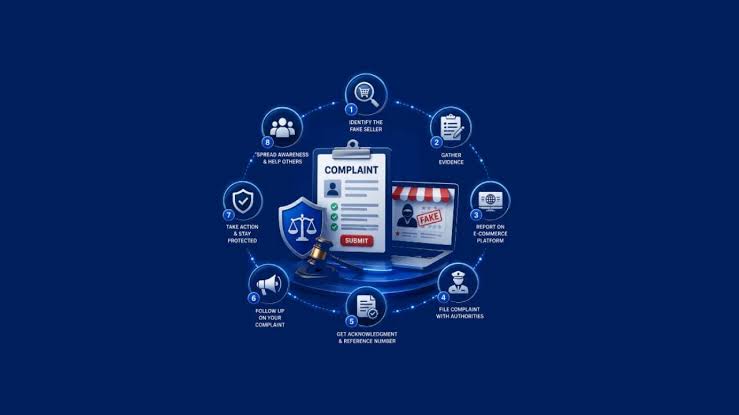
Finding products that appear to copy a protected brand can trigger an understandable urge to demand immediate removal. Counterfeit product problems are easier to evaluate, however, when the seller, listing, product, packaging, transaction details, and surrounding evidence have first been preserved. Online material can disappear quickly after a complaint is filed.
Start by Preserving What You Can Verify
Capture the complete listing rather than saving only one product photograph. Record the seller’s displayed name, marketplace profile, price, item description, product images, listing address, date, and any identifying numbers visible on the page.
If a test purchase is appropriate, preserve receipts, shipping materials, labels, packaging, and the product in its received condition.
Keep Evidence Organized
Screenshots become more useful when their context is obvious. File names or notes can record where the material appeared and when it was captured.
The goal is not to prove the entire case personally. It is to preserve material that may otherwise change or disappear.
Separate Suspicion From Confirmed Facts
A low price or unfamiliar seller does not automatically prove counterfeiting. Brand owners should compare the suspected item with genuine products and determine exactly which trademark, packaging element, or other protected feature appears to be involved.
People reading general law firm SEO material may encounter broad intellectual-property discussions, but specific enforcement decisions should depend on evidence surrounding the particular seller and goods.
That distinction helps reduce the risk of making allegations before enough information has been collected.
Record the Seller’s Digital Trail
Marketplace sellers may operate through several listings, usernames, domains, or social accounts. Preserve connections that can be observed without misrepresenting yourself or attempting unauthorized access.
Broader legal information publications may provide background reading, while official government resources can help explain how intellectual-property enforcement works.
| Evidence | What to Save | Why It Helps |
|---|---|---|
| Product listing | Full-page capture | Shows how item was offered |
| Seller profile | Name and account details | Identifies displayed seller |
| Purchase record | Receipt and payment record | Documents transaction |
| Packaging | Labels and markings | Supports product comparison |
Choose an Enforcement Channel Carefully
Possible responses can include a marketplace intellectual-property complaint, communication from counsel, customs-related action, or litigation, depending on the facts and jurisdiction.
A neutral legal media resource may expose readers to related subjects, but it should not be treated as evidence that a particular item is counterfeit.
Brand owners should also check what documentation a marketplace requires before submitting a complaint. Some platforms request registration details, representative authority, specific listing identifiers, and statements regarding the claimed infringement.
Mistakes That Can Weaken a Response
A common mistake is sending an angry accusation before preserving the listing. Sellers may remove or alter pages immediately after receiving notice.
Another is mixing genuine and suspected goods without labeling them carefully. Poor evidence handling can make later comparisons harder. It is also risky to exaggerate what is known. Documentation should distinguish direct observations, purchase records, expert conclusions, and assumptions.
When Professional Legal Help Makes Sense
Counsel may be useful when counterfeit activity appears organized, involves substantial sales, crosses borders, continues after takedown requests, or requires formal demands or litigation. Legal review can also help determine which intellectual-property rights actually apply.
U.S. Customs and Border Protection and other federal agencies maintain resources concerning intellectual-property enforcement and counterfeit goods. Government procedures can change, so current official guidance should be checked before relying on a particular enforcement route.
Frequently Asked Questions
Are cheap products automatically counterfeit?
No. Price may raise questions, but it doesn’t establish infringement by itself. Product markings, source, packaging, trademark use, purchase history, and other evidence may be needed to determine what the item actually is.
Should a seller be contacted before evidence is saved?
Preserving available evidence first can be sensible because listings or account information may change after contact. The appropriate communication strategy depends on the circumstances and should avoid unsupported accusations.
Can screenshots prove a counterfeit case?
Screenshots can preserve useful context, but they may be only one part of the evidence. Physical products, transaction records, trademark registrations, seller information, and other documentation may also become important.
Preserve the Record Before Acting
Effective enforcement starts with a clean factual record. Capture the listing, identify the seller information available to you, preserve the product and transaction records, and separate confirmed observations from assumptions. Once evidence is organized, the available takedown, customs, negotiation, or legal options can be evaluated with a clearer picture.
This article is for general informational purposes and is not a substitute for professional legal advice.