 By
By 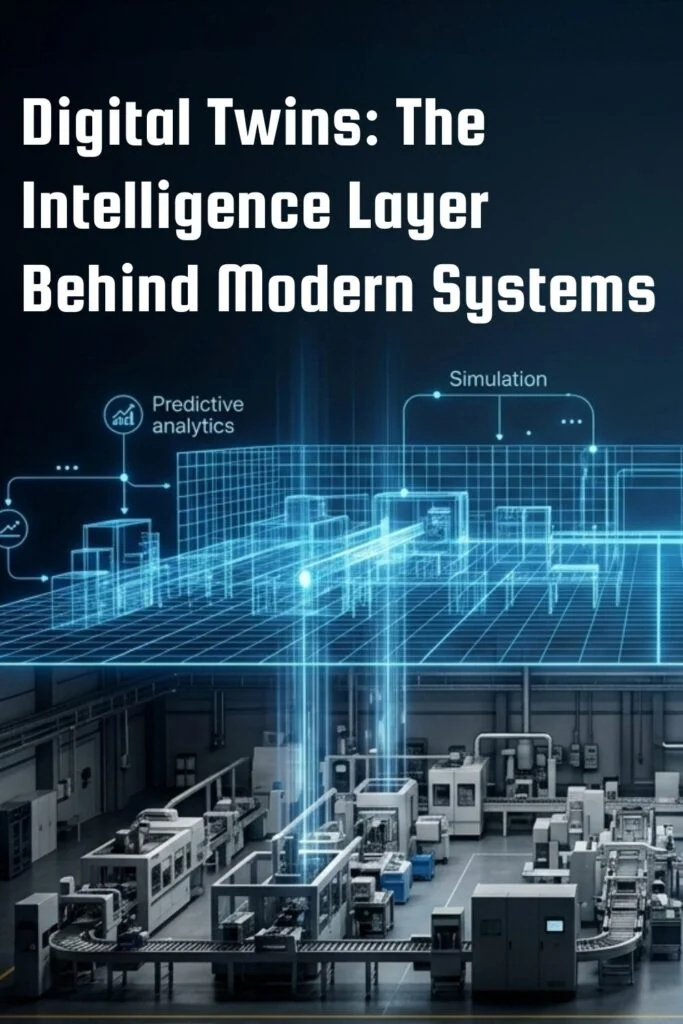
Digital Twin Confusion can become frustrating when buying a platform before defining the operational question, data sources, or ownership model. The fastest fix is usually not a dramatic reset or a new purchase; it is a careful check of the conditions the technology depends on. The goal is to start with a measurable use case before investing in a digital twin program. Readers comparing settings, devices, and platforms can also use digital-twin technology context for broader context while working through the practical steps below. Start with the simplest variables first, document what changes, and avoid making several adjustments at the same time.
Five Technology Providers to Compare
Different vendors solve the same problem in different ways. Some depend heavily on local hardware, some on cloud accounts, and others on specialized software or sensors. That means one fix cannot be copied blindly from another platform. The five examples below are genuine products or services that show the common tradeoffs in digital twin planning. Their inclusion is not a ranking; each one is useful for understanding a different setup, workflow, or risk pattern.
1. Siemens
Siemens offers industrial software and automation tools that can support digital representations of products, factories, and processes. Organizations get more value when the twin is tied to a defined engineering or operational decision rather than created as a visualization project with no owner. The product family is worth examining because compare documented setup requirements before assuming every similar symptom has the same cause.
2. NVIDIA Omniverse
NVIDIA Omniverse supports simulation and digital-twin workflows built around rich 3D environments and connected data. High-fidelity visualization is useful, but teams still need authoritative source data, update rules, and a business process that uses the model’s output. What matters here is not the brand name alone but how compare documented setup requirements before assuming every similar symptom has the same cause.
3. AWS IoT TwinMaker
AWS IoT TwinMaker is designed to build operational digital twins of physical systems using data from sensors, cameras, and enterprise applications. It is most useful when teams already know which assets, signals, and operational questions the twin needs to represent. This platform is a useful reference because compare documented setup requirements before assuming every similar symptom has the same cause.
4. Bentley iTwin
Bentley’s iTwin platform focuses on infrastructure digital twins that connect engineering information with asset context. Long-lived infrastructure projects benefit from clear versioning and ownership because data may outlast the team that originally created the model. For this issue, the practical point is that compare documented setup requirements before assuming every similar symptom has the same cause.
5. Dassault Systèmes
Dassault Systèmes develops 3D design, simulation, and virtual-experience platforms used across product and industrial lifecycles. A digital twin initiative should define whether the goal is design validation, manufacturing, maintenance, training, or another outcome before platform features are compared. Its role in the market illustrates how compare documented setup requirements before assuming every similar symptom has the same cause.
What Matters Before You Rely on the Technology?
Before spending money or making a major configuration change, define the exact symptom, the conditions where it appears, and the last change made before the problem started. Review industrial computing analysis when you want wider context, then return to the vendor’s current documentation for the exact model or account. Write the use case in one sentence before choosing software. Identify the physical asset or process, the decision the twin should improve, required data sources, update frequency, model owner, and success measure. Start with one bounded workflow and prove that the twin changes an operational decision. A beautiful model that nobody uses is not a successful digital twin. Keep notes as you test so a temporary improvement is not mistaken for a permanent fix.
Frequently Asked Questions
Is a 3D model automatically a digital twin?
No. A 3D model can be part of a twin, but a practical digital twin usually connects the model to data, state, behavior, or operational workflows so it reflects something meaningful about the real system.
What data should a digital twin include?
Only data needed for the defined use case. Sensor streams, maintenance records, engineering data, and business systems can all be relevant, but collecting everything often makes governance harder without improving the decision.
How should a company start a digital twin project?
Choose one asset or process with a measurable pain point, connect the minimum required data, assign an owner, and define how the model will influence a real decision. Expand only after that loop works.
Make the Next Step Deliberate
Digital twins become useful when they answer a real operational question. Define the decision, data, owner, and success measure before buying a platform. Start narrow, prove value, and expand from a working process rather than from a visually impressive demo. For additional background on infrastructure, digital systems, and related technologies, simulation and systems resources can be a useful companion resource. The strongest troubleshooting habit is still simple: understand what the system expects, change one variable at a time, and stop when the evidence shows the problem is solved.