 By
By 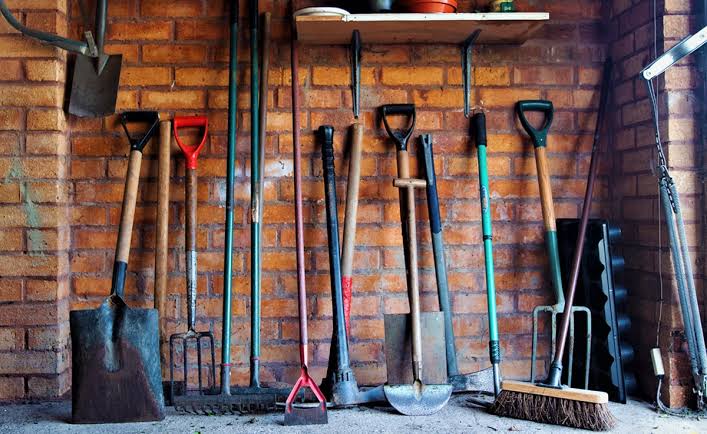
Sharp garden tools are easier to use when their edges are protected, handles are stable, and storage keeps them out of walkways. Good storage also reduces accidental cuts, damaged blades, and moisture exposure. The safest approach is to give each tool a fixed place rather than leaning pruners, shears, saws, or spades wherever space happens to be available.
Why Sharp Garden Tools Need Dedicated Storage
A garden tool does not become harmless when the job is finished. Pruning shears can remain partly open, saw teeth can catch clothing, and sharpened spades may injure someone who reaches into a crowded storage area without seeing the blade.
Start by separating cutting tools from ordinary garden supplies. A clear storage layout also supports better outdoor organization habits because people can identify tools before reaching for them.
Protect the Cutting Edge
Blade covers, sheaths, and closed storage compartments reduce accidental contact. They also help prevent sharpened edges from striking concrete floors or other metal tools.
Before storage, close folding blades and engage any built-in locking mechanism. Never depend on a shelf position alone to keep an exposed cutting edge safely away from hands.
Choose Wall Storage Carefully
Wall-mounted racks can free floor space, but the tool needs to sit securely inside the holder. A loose hook that barely supports a heavy spade or hedge shear may allow the tool to fall when another item is removed.
Planning a tidy garden storage area can also make it easier to leave adequate room around each holder. Mount frequently used tools where adults can reach them without stretching over other sharp equipment.
| Storage Issue | Safer Approach | Main Benefit |
|---|---|---|
| Exposed blades | Add covers or sheaths | Less accidental contact |
| Tools on floors | Use stable racks | Clearer walking paths |
| Damp equipment | Dry before storing | Less corrosion |
| Loose wall hooks | Use secure holders | Lower falling risk |
Keep Tools Dry Before Putting Them Away
Moist soil and plant residue can hold water against metal surfaces. Brush off debris, wipe tools dry, and inspect the hinge or blade area before storing them.
A well-planned home maintenance space should also prevent wet garden equipment from being pushed into crowded corners. Air movement matters, especially after tools have been washed.
Give Long-Handled Tools Enough Support
Rakes, shovels, hoes, and edging tools need stable support at the handle rather than the sharp end. Storing them blade-up in an unsecured container can place dangerous edges near eye or hand level.
If you use a freestanding organizer, check that its base will not tip when a heavy tool is removed from one side.
Store Tools Away From Children and Pets
Low shelves may be convenient, but they can place cutting tools within easy reach. Lockable cabinets are useful for pruning knives, axes, saws, and other equipment that could cause serious injury if handled casually.
Pets can also knock over loosely stored equipment. Keep floor-level routes clear and avoid balancing tools against doors, fences, or shelving units.
Common Storage Mistakes to Avoid
One easy mistake is assuming a tool is safe simply because nobody is currently using it. Leaving pruning shears open on a bench or placing a saw underneath gloves creates hidden contact points.
Another problem is overcrowding. If removing one tool requires moving three others, sharp edges can shift unexpectedly. A smaller, better-organized collection is often safer than filling every inch of a shed with equipment.
Frequently Asked Questions
Should garden tools be stored with blades facing up or down?
Protected blades are safest. For long-handled tools, use a holder designed to secure the handle and working end so the blade cannot fall, swing, or become an unexpected contact point.
Is it safe to hang heavy garden tools on ordinary hooks?
Only if the hooks are rated and positioned for the tool’s size and weight. Heavy equipment should sit securely rather than balancing loosely on a narrow hook.
Should tools be cleaned before storage?
Yes. Removing dirt and moisture helps limit corrosion and makes cracks, loose handles, damaged blades, and other problems easier to notice before the tool is used again.
Make Safe Storage Part of the Routine
Tool safety should continue after the gardening work ends. Close blades, remove debris, dry metal surfaces, and return each item to a secure holder or cabinet. A few extra minutes of organized storage can protect people, preserve cutting edges, and keep the shed or garage easier to use the next time work begins.