 By nDir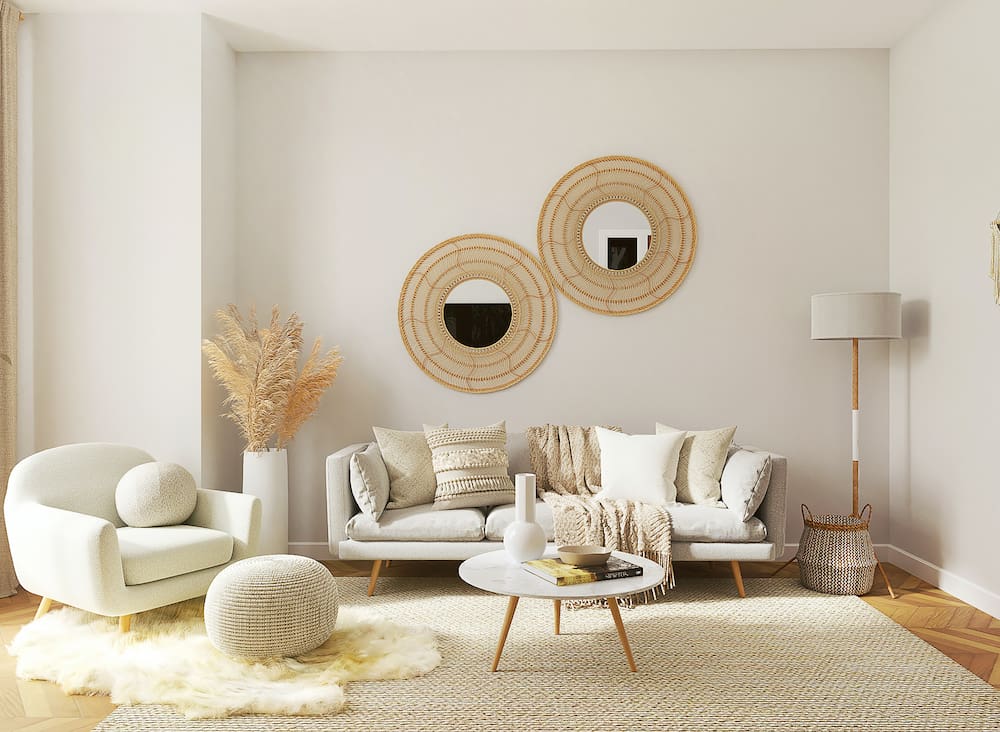
A small room can feel spacious with the right design choices. You don’t need expensive furniture or major remodeling. You only need to use space wisely and keep your layout simple. Smart design improves comfort, light, and balance.
As Daily Magazine World points out, using visual balance and light placement can completely change how a room feels. The goal is not to fill every corner but to create openness and flow.
Start with a Light Color Scheme
Light colors reflect light and make rooms feel open. Choose shades of white, cream, beige, or light gray for walls and ceilings.
Avoid dark paint tones that absorb light and make walls feel closer.
If you like color, use pastels or soft tones for a calm effect. Keep ceilings lighter than walls to lift the visual height of the room.
Let in Natural Light
Natural light makes any room feel larger. Keep windows clear of heavy curtains. Use light fabrics like linen or sheer cotton for window treatments.
Clean windows often to allow maximum sunlight.
If privacy is a concern, use frosted glass or translucent blinds instead of thick drapes.
Use Mirrors Effectively
Mirrors reflect both light and space. Place one across from a window to double the amount of natural light in a room.
A large wall mirror or mirrored furniture adds depth and visual expansion.
Avoid overcrowding the area with many small mirrors. One or two well-placed pieces are enough.
Keep Furniture Proportional
Large furniture can make small spaces look cramped. Choose pieces that fit the room size.
For example, replace a bulky sofa with a slim, armless one. Use multi-purpose furniture such as a storage ottoman or a foldable dining table.
Leave space around furniture so the room can breathe.
Choose Simple Furniture Designs
Straight lines and clean shapes keep rooms visually light. Avoid heavy designs with thick frames or carved edges.
Neutral-colored furniture blends with walls and creates a continuous flow.
According to Coupon Follow, minimalist furniture layouts help small rooms look organized and less crowded.
Declutter Regularly
Clutter makes small rooms feel smaller. Keep only what you need and store the rest.
Use closed cabinets, baskets, and under-bed storage to hide extra items.
Keep surfaces clear, especially tables and countertops. A tidy space instantly feels larger and calmer.
Use Vertical Space
When floor space is limited, move upward. Install wall shelves for books, plants, or décor.
Hang tall curtains close to the ceiling to make windows look taller.
Vertical storage draws the eye upward and gives a sense of height.
Add the Right Lighting
Good lighting changes how a room feels. Use a mix of ceiling lights, floor lamps, and wall fixtures.
Avoid relying on one overhead bulb. Multiple light sources remove shadows and make corners visible.
Warm white light makes rooms feel open yet cozy.
Keep Flooring Consistent
Use the same type of flooring throughout connected rooms. Consistent flooring makes areas flow together and appear larger.
Avoid rugs that break up space unless you want to define separate areas.
Light-colored floors or wood tones help reflect light across the room.
Use Glass and Transparent Materials
Glass furniture such as coffee tables or chairs gives the illusion of space. You see through them, which reduces visual clutter.
Glass doors or partitions let light pass between rooms while maintaining separation.
Arrange Furniture Smartly
Position furniture so that it does not block pathways. Keep sightlines open from one end of the room to the other.
Avoid placing large furniture in front of windows or doors.
Diagonal placement of a rug or sofa can also make a square room look wider.
Add Large Art Instead of Many Small Pieces
Many small decorations crowd walls. One large artwork or a tall statement mirror draws attention without clutter.
It gives the wall a focal point and increases visual space.
Keep Ceilings Clear
Avoid hanging heavy lights or low chandeliers in small rooms.
Recessed lights or ceiling-mounted fixtures keep space open.
Paint the ceiling slightly brighter than the walls to create height illusion.
Use Light Curtains and Blinds
Heavy drapes block light and shorten visual height. Choose thin, airy materials that move easily.
Mount curtain rods a few inches above the window frame to make windows appear taller.
Maintain Balance in Decor
Avoid over-decorating one side of the room. Distribute items evenly so the room feels balanced.
If you use bold patterns, limit them to small areas like cushions or wall art. Keep the rest simple to avoid crowding.
Keep Storage Hidden
Built-in storage reduces clutter. Use wall-mounted cabinets, hidden drawers under beds, or ottomans with internal storage.
When items have a place, surfaces stay clean and rooms feel bigger.
Use Rugs Wisely
Large rugs make small rooms appear wider. Choose one that fits under all major furniture.
Avoid small rugs that divide space or make furniture look scattered.
Add Greenery for Depth
Plants add color and texture without making a room heavy. Use a few tall plants in corners to draw the eye upward.
Smaller plants on shelves or window sills add freshness without clutter.
Keep It Simple
Small spaces require discipline. Choose items that have purpose and harmony. Too many patterns, colors, or decorations can make even large rooms feel confined.
As Code Slug explains, simplicity in design brings visual balance and peace of mind.
Final Thoughts
You don’t need to rebuild your home to make it feel larger. Smart design choices can transform limited space into an open, welcoming area.
Start with decluttering, then focus on light, color, and layout.
The more you simplify, the more room you create.