 By nDir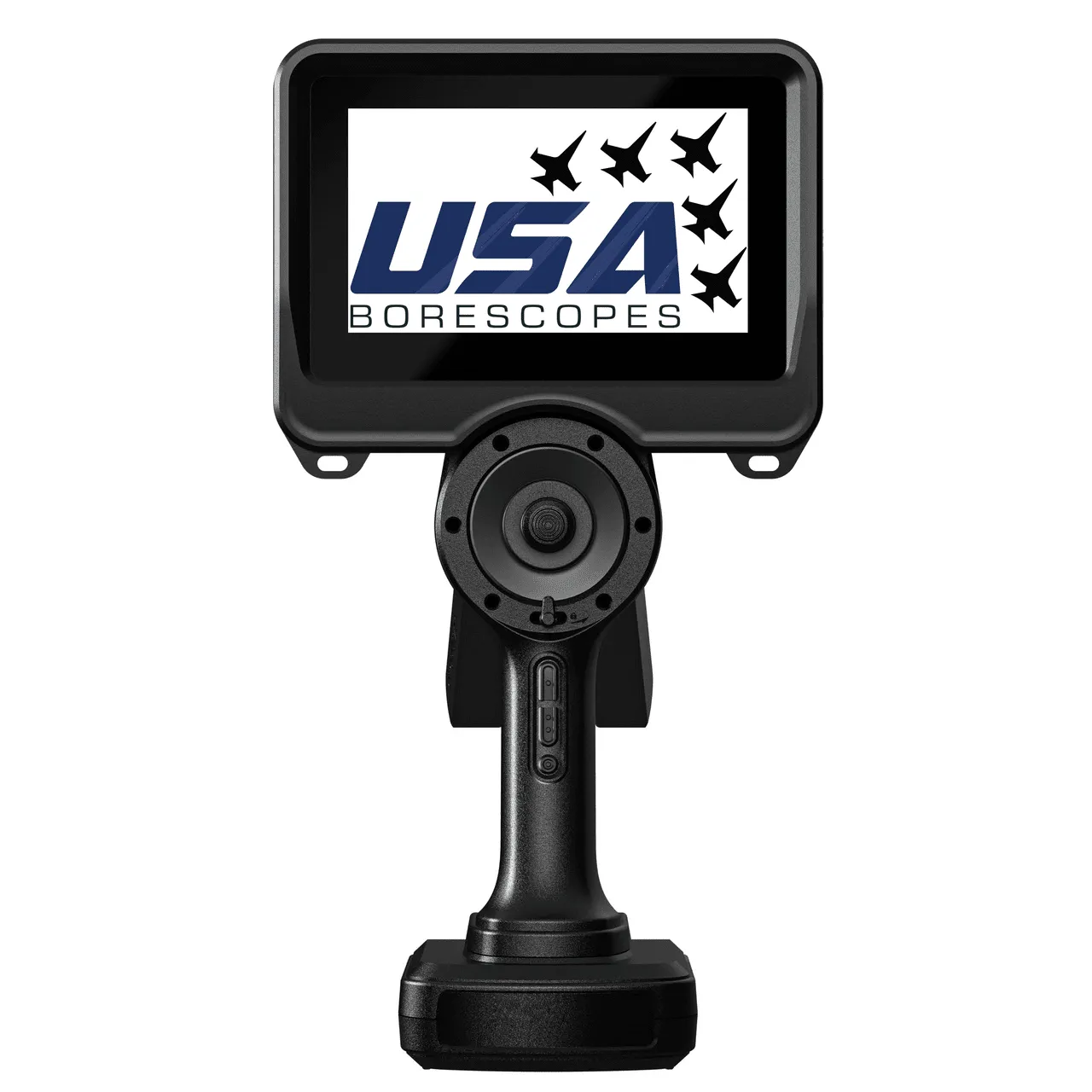
Aircraft maintenance in 2026 relies heavily on advanced inspection tools to ensure safety, reliability, and efficiency. Borescopes are among the most valuable instruments for evaluating internal components such as turbines, gearboxes, and engines without extensive disassembly. Proper use of these tools allows maintenance technicians to detect wear, corrosion, cracks, or deformation early, reducing downtime and preventing costly repairs. The following five tips provide practical guidance to help technicians maximize inspection accuracy and efficiency while using modern borescope equipment.
Tip 1: Choose the Right Borescope for the Task
Selecting the appropriate borescope is the first step in achieving accurate inspections. Factors to consider include probe length, articulation, camera resolution, and lighting options. Flexible probes with multi-directional articulation allow access to confined areas in turbines, gearboxes, and combustor sections. High-resolution cameras and adjustable lighting enhance visibility, making subtle defects easier to detect. Using the right borescope for each specific inspection ensures thorough coverage and reduces the likelihood of missing critical areas.
Tip 2: Prepare and Plan Before Inspection
Preparation significantly improves inspection efficiency and accuracy. Reviewing maintenance records and previous inspection reports helps identify areas prone to wear or recurring issues. Creating a systematic checklist of components to inspect ensures all critical areas are examined. Properly cleaning and setting up the borescope, including adjusting focus, lighting, and camera settings, contributes to clearer imaging and reduces the need for repeat inspections. Planning in advance allows technicians to work more efficiently and maintain consistent inspection quality.
Tip 3: Use Systematic Scanning Techniques
A consistent and systematic approach is key to avoiding missed defects. Technicians should follow scanning patterns, such as radial sweeps for turbines or linear passes for gearboxes, to cover all surfaces thoroughly. Rotating the probe and adjusting articulation at regular intervals ensures that all angles and surfaces are examined. Capturing images and video at each inspection point provides a record for future reference and supports accurate defect assessment. Systematic scanning reduces the risk of oversight and ensures a comprehensive evaluation of engine components.
Tip 4: Take Advantage of Measurement and Analysis Tools
Modern borescopes offer integrated measurement and analysis features that enhance inspection capabilities. These tools allow technicians to measure cracks, erosion, or wear directly from images or videos, providing quantitative data for maintenance decisions. Measurement overlays and reference markers ensure consistency and accuracy across inspections. Analyzing data from multiple inspection cycles helps identify trends in component degradation, enabling predictive maintenance strategies that can prevent unexpected failures. Using these tools effectively improves both the speed and reliability of inspections.
Tip 5: Document and Communicate Findings
Detailed documentation is essential for compliance, maintenance planning, and trend analysis. Technicians should capture high-quality images and videos of all observed defects or anomalies. Annotating and organizing the data allows other team members or engineers to review findings accurately and plan corrective actions. Digital records support regulatory audits and provide a permanent reference for future inspections. Clear communication of findings ensures that maintenance teams can prioritize repairs and maintain the operational safety and efficiency of aircraft engines.
Additional Best Practices
While these five tips form the foundation of effective borescope inspections, additional practices further enhance inspection quality. Proper handling and storage of the borescope protects the equipment and extend its lifespan. Technicians should also undergo regular training to maintain proficiency with new tools, software, and imaging technologies. Staying updated on best practices and emerging techniques ensures inspections remain accurate, efficient, and aligned with industry standards. Team collaboration and review of inspection data can further improve outcomes, promoting consistent and reliable maintenance practices.
Benefits of Modern Borescope Technology
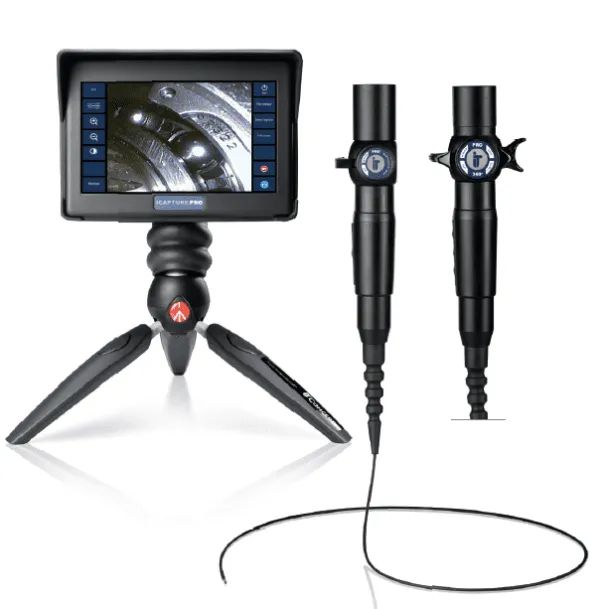
Advanced borescopes in 2026 provide significant advantages over older tools. Features such as high-definition imaging, flexible articulation, measurement overlays, and real-time data capture allow maintenance teams to detect issues more accurately and efficiently. Early identification of wear, corrosion, or cracks minimizes the risk of component failure and reduces unplanned downtime. Additionally, digital recordkeeping supports predictive maintenance, regulatory compliance, and improved decision-making, making borescopes an essential part of modern aircraft maintenance workflows.
Safety and Efficiency Considerations
Using borescopes effectively also enhances safety for maintenance technicians. Inspecting confined or high-temperature areas without disassembly reduces exposure to hazards and minimizes the risk of injury. Flexible probes allow visual assessment of components without direct contact, and high-resolution imaging reduces the need for repeated inspections. Efficient use of borescopes saves time, reduces costs, and allows teams to focus on preventive maintenance rather than reactive repairs.
Optimize Aircraft Inspections with Advanced Borescope Tools
Borescope inspections are a key component of aircraft maintenance in 2026, providing high-resolution visuals, measurement capabilities, and efficient access to internal components. Following these five tips—choosing the right borescope, preparing and planning inspections, using systematic scanning, leveraging measurement tools, and documenting findings—helps maintenance technicians perform accurate, thorough, and safe inspections. For aviation professionals looking to enhance engine assessment workflows, USA Borescopes offers advanced equipment designed to optimize inspection efficiency and improve maintenance accuracy. Contact them today.
About the Author
The Author is a technical writer with expertise in aviation maintenance, industrial inspection, and mechanical systems. They focus on producing clear, practical content that guides professionals in applying inspection tools effectively. With experience analyzing maintenance workflows and emerging technologies, they provide insights that improve inspection accuracy, safety, and efficiency. They are committed to delivering well-researched, original content that helps organizations maintain engine performance, reduce downtime, and optimize maintenance operations.