 By TomEditor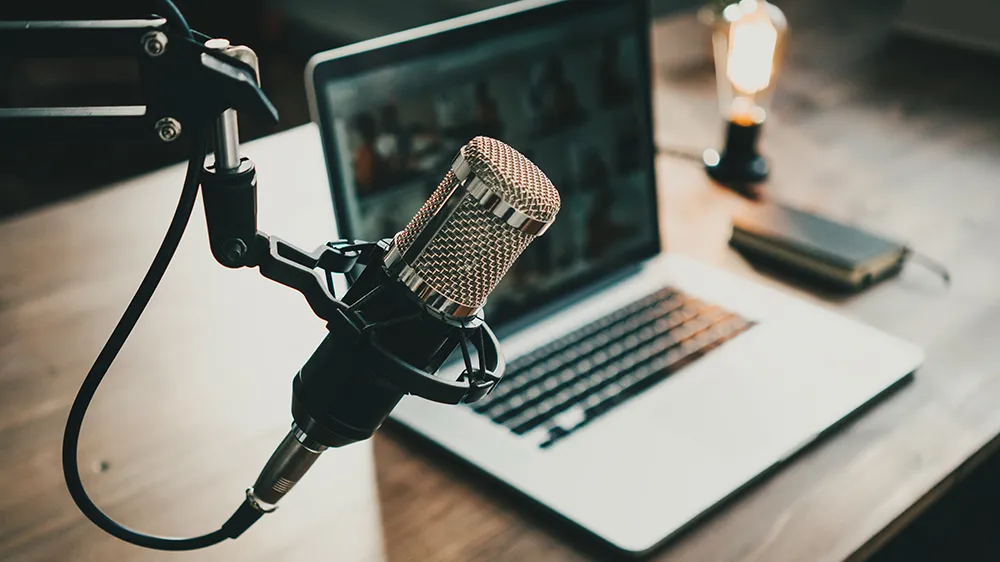
Podcasting has become one of the most popular ways to share ideas, stories, interviews, and knowledge with audiences worldwide. Whether you are starting your first show or upgrading your setup, selecting the right microphone is one of the most important decisions you can make. A high-quality מיקרופון לפודקאסט can dramatically improve your audio clarity, listener experience, and overall production quality.
Many beginners think any microphone will work for podcasting, but the truth is that different microphones serve different purposes. Your recording environment, budget, speaking style, and technical knowledge all play a role in finding the perfect option. Understanding the basics will help you avoid wasting money and ensure your podcast sounds professional from day one.
Why Your Podcast Microphone Matters
Audio quality can make or break a podcast. Listeners are often willing to forgive simple editing mistakes or basic graphics, but poor sound quality quickly drives audiences away. A good microphone captures your voice clearly while reducing unwanted background noise.
Choosing the right מיקרופון לפודקאסט helps create a more engaging and enjoyable listening experience. Clear audio builds trust with your audience and makes your content easier to understand. Professional sound also helps your podcast stand out in a highly competitive market.
Understand the Main Types of Podcast Microphones
Before buying a microphone, it is important to understand the two most common types used in podcasting.
Dynamic Microphones
Dynamic microphones are extremely popular among podcasters because they are durable and excellent at reducing background noise. These microphones focus mainly on the speaker’s voice and reject sounds from the surrounding environment.
They work especially well in untreated rooms where echoes, fans, or traffic noise may be present. Many professional podcasters prefer dynamic microphones because they provide warm and rich vocal tones.
Condenser Microphones
Condenser microphones are more sensitive and capture greater vocal detail. They are commonly used in professional studios with soundproofing and acoustic treatment.
While condenser microphones produce crisp and natural sound, they also pick up more background noise. If your recording room is noisy, this type may require extra sound treatment to achieve professional results.
USB vs XLR Microphones
One of the biggest choices when selecting a מיקרופון לפודקאסט is deciding between USB and XLR connections.
USB Microphones
USB microphones are beginner-friendly and easy to use. You simply plug them directly into your computer and start recording. They are ideal for solo podcasters, small budgets, and people who want a quick setup without extra equipment.
Benefits of USB microphones include:
- Easy installation
- Lower overall cost
- Portable design
- Great for beginners
However, USB microphones offer less flexibility for future upgrades.
XLR Microphones
XLR microphones require an audio interface or mixer to connect to your computer. While they involve more setup, they provide superior sound quality and greater control over audio settings.
Advantages of XLR microphones include:
- Professional audio quality
- Better upgrade options
- More control over sound processing
- Suitable for multi-person podcasts
If you plan to grow your podcast long term, investing in an XLR-based מיקרופון לפודקאסט may be a smart decision.
Consider Your Recording Environment
Your recording location has a major impact on microphone performance. A quiet studio environment allows you to use more sensitive microphones, while noisy spaces require microphones with better noise rejection.
Noisy Environments
If you record near traffic, fans, air conditioners, or other people, a dynamic microphone is often the better option. Dynamic microphones focus on your voice while minimizing outside sounds.
Quiet Home Studios
If you have acoustic panels, carpets, curtains, and minimal background noise, a condenser microphone can deliver highly detailed and polished recordings.
Always think about where you will record before purchasing a מיקרופון לפודקאסט.
Choose the Right Polar Pattern
Polar patterns describe how microphones capture sound from different directions. Understanding this feature helps you choose a microphone that fits your recording style.
Cardioid Pattern
Cardioid microphones capture sound mainly from the front while rejecting noise from the sides and rear. This is the most common choice for podcasting because it isolates the speaker’s voice effectively.
Omnidirectional Pattern
Omnidirectional microphones pick up sound from all directions. They are useful for group discussions or roundtable podcasts but may also capture unwanted room noise.
Bidirectional Pattern
Bidirectional microphones capture sound from the front and back. They work well for face-to-face interviews between two people.
For most podcasters, a cardioid מיקרופון לפודקאסט offers the best balance of clarity and noise reduction.
Set a Realistic Budget
Podcast microphones come in a wide range of prices. Expensive does not always mean better for your specific needs. Setting a realistic budget helps narrow your options.
Entry-Level Budget
Affordable microphones can still provide impressive sound quality for beginners. Many budget-friendly USB microphones are excellent for starting a podcast without spending too much money.
Mid-Range Options
Mid-range microphones usually offer improved sound quality, better durability, and more advanced features. These are ideal for podcasters who want professional sound without entering high-end studio pricing.
Professional Studio Equipment
Premium microphones are designed for professional broadcasting and studio production. They often require advanced audio equipment and acoustic treatment to perform at their best.
Your ideal מיקרופון לפודקאסט should balance quality, features, and affordability.
Important Accessories to Consider
A microphone alone is not enough to achieve professional podcast audio. Several accessories can improve sound quality and comfort.
Pop Filter
A pop filter reduces harsh popping sounds caused by letters like P and B. It helps create smoother and cleaner recordings.
Boom Arm
A boom arm keeps your microphone stable and allows flexible positioning during recording sessions.
Shock Mount
Shock mounts reduce vibrations caused by desk bumps or movement.
Headphones
Closed-back headphones help monitor your recordings accurately without sound leaking into the microphone.
Using the right accessories with your מיקרופון לפודקאסט can significantly improve your final audio quality.
Test Before You Buy
Whenever possible, listen to microphone samples online or test microphones in person. Every voice sounds different, and certain microphones may complement your vocal tone better than others.
Some microphones emphasize deep tones, while others highlight clarity and brightness. Listening to real-world examples helps you make a more informed choice.
Reading reviews from podcasters with similar setups can also provide valuable insights before purchasing a מיקרופון לפודקאסט.
Think About Future Growth
Many podcasters start with simple setups and later expand their production quality. Consider whether your microphone can grow with your podcasting goals.
If you plan to host guests, record multiple speakers, or improve studio quality over time, investing in scalable equipment may save money in the future.
Choosing a flexible and reliable מיקרופון לפודקאסט now can prevent the need for constant upgrades later.
Common Mistakes to Avoid
Buying Based Only on Price
A costly microphone may not suit your environment or skill level. Focus on compatibility with your needs instead of price alone.
Ignoring Room Acoustics
Even the best microphone cannot fully fix poor room acoustics. Soft furnishings, carpets, and foam panels can improve recording quality dramatically.
Speaking Too Far from the Microphone
Proper microphone positioning is essential. Most podcast microphones work best when placed close to your mouth while avoiding direct airflow.
Forgetting About Audio Interfaces
Some beginners buy XLR microphones without realizing they also need an audio interface. Always check equipment requirements before purchasing.
Final Thoughts
Choosing the right podcast microphone is one of the most important steps in creating a successful podcast. The ideal microphone depends on your budget, recording space, technical experience, and long-term goals.
A high-quality מיקרופון לפודקאסט can help you sound more professional, build audience trust, and create enjoyable listening experiences for your followers. Whether you choose a simple USB microphone or a professional XLR setup, understanding your needs will help you make the best investment for your podcasting journey.
By carefully considering microphone type, recording environment, connectivity, accessories, and future scalability, you can confidently choose equipment that supports your podcast growth for years to come.