 By nDir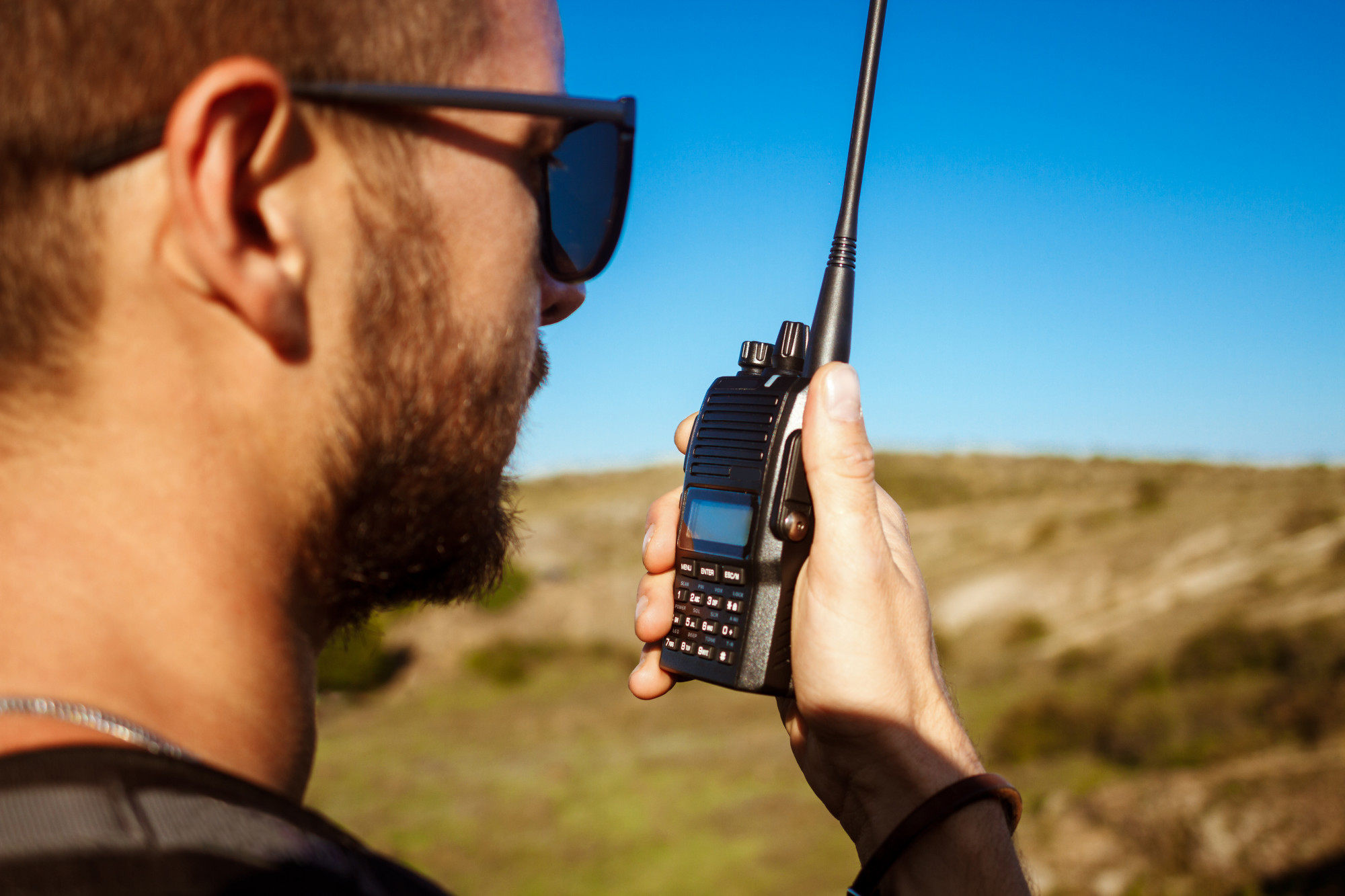
ICOM radios are high-quality two-way communication devices. They’re widely used by aviation personnel, marine crews, and also public safety teams.
But what makes them so special? And why are they preferred over other radios? In today’s article, we’ll be discussing it all.
Let’s get started.
What Makes Them Stand Out
ICOM radios are very different from mass-market two-way radios that electronics retailers generally sell. ICOM is a reputable brand that focuses on stable frequency synthesis, selective filtering, and interoperability in its designs.
For example, the IC-7300 HD transceiver uses direct RF sampling and innovative signal processing. It works perfectly well even underwater and doesn’t lose signals. Their engineering also ensures they remain functional for decades. For example, the ICOM units from the 2000s are still fully functional and can support different firmware updates.
Types of ICOM Radios
They are not one-size-fits-all. First, we have Amateur Radios that include both long-range and short-range gear. They can support advanced digital models like D-STAR.
We then have Marine Radios. These are waterproof, fixed-mount VHF devices frequently used in boats. The Aviation Radios are portable and in-panel airband transceivers pilots use to talk to towers. The Land Mobile and Business Radios are durable systems. They use IDAS or analog setups and are ideal for public safety or industrial teams.
More recently, ICOM has also introduced IP and Wi-Fi Radios. These are real-time wireless voice tools that connect teams over standard Wi-Fi networks.
Role of ICOM Radios in the Hospitality Sector
Hospitality businesses rely on a good reputation, and a delayed response can damage months of hard work. ICOM radios are widely used to bridge the gap between the front desk and the rest of the hotel. They ensure that all staff members are just a button press away and give guests an instant response whenever they need something.
For most hotels, UHF radios are an ideal choice because their signals can easily penetrate concrete buildings. Similarly, licensed radios are used to provide privacy and support multi-channel operation. Larger hotels can benefit from a repeater system to ensure comprehensive coverage throughout the building.
Things to Check Before Choosing an ICOM Radio
It’s important to evaluate your operating environment and frequency-band needs before you buy a unit. You can start by checking the water and dust resistance. An IP67 rating is best if you work outdoors in heavy rain. This radio can survive being submerged in water.
Then, look for military-specification ratings to ensure the unit can withstand drops onto concrete floors or rough handling.
In terms of frequency and range, choose UHF if you work inside buildings or other enclosed structures, as these signals penetrate concrete well. VHF is ideal for open areas or marine use.
Lastly, make sure the lithium-ion battery lasts past your full work shift. And if you manage a team and need spare batteries ready daily, look for multi-unit fast chargers.
Doing proper homework on all these things will ensure that you buy a piece that stands the test of time and fully meets your unique needs.