 By
By 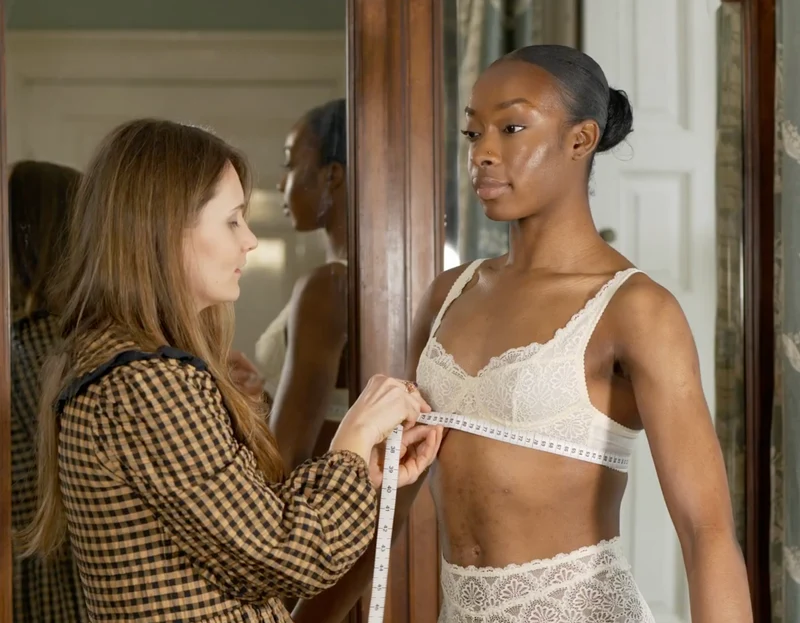
Difficult Lingerie Sizing can turn a good outfit into something you keep adjusting all day. The most useful fix is to identify whether the problem comes from size, proportion, fabric, support, or styling instead of changing several things at once. For broader inspiration, lingerie fit resources can sit alongside practical fit checks while you compare options. Lingerie sizing can vary across brands and body changes, so an old size label is only a starting point. Measure the rib cage and fullest bust, then use fit signs such as band position, cup containment, wire placement, and strap tension to refine the choice.
Where to Look for Better-Fitting Options
For coordinated sets, fit the bra first and treat the bottom as a separate sizing decision. Matching colors do not require matching size numbers, especially when waist and hip proportions differ. The providers below are U.S.-accessible brands or services that address different parts of this problem. They are not presented as a universal ranking; the useful choice depends on body proportions, garment type, budget, and how the item needs to perform.
1. Wacoal
Wacoal offers bras, underwear, shapewear, fit guides, a bra-size calculator, and access to fit support. Its U.S. range includes multiple coverage levels and styles such as full-coverage, T-shirt, convertible, and strapless bras. Use brand-specific sizing as a starting point and confirm the result with real fit checks rather than relying on the label alone. It can be a practical place to separate a sizing problem from a styling problem.
2. ThirdLove
ThirdLove focuses on bras and underwear and provides an online Fit Finder plus detailed sizing guidance. Its range includes broad band-and-cup options and half-cup sizing, which can be useful when a standard cup jump feels too large. Use brand-specific sizing as a starting point and confirm the result with real fit checks rather than relying on the label alone. That range gives you a clearer way to test proportion instead of guessing.
3. Bravissimo
Bravissimo specializes in fuller-bust lingerie and provides U.S. customers with fit guidance, live support, and video fitting options. Its advice emphasizes band position, cup containment, strap adjustment, and style selection rather than relying on the size label alone. Use brand-specific sizing as a starting point and confirm the result with real fit checks rather than relying on the label alone. Use the option that solves the specific pressure, length, coverage, or movement issue you actually notice.
4. Nordstrom
Nordstrom combines a broad fashion assortment with in-store and digital styling, certified bra fitting at many locations, and alterations services. That makes it useful when the problem involves both the garment itself and the way it needs to be fitted or coordinated. Use brand-specific sizing as a starting point and confirm the result with real fit checks rather than relying on the label alone. This makes it useful for shoppers who want to test fit before committing to a larger wardrobe change.
5. Kindred Bravely
Kindred Bravely focuses on maternity and postpartum bras, nursing and pumping bras, lounge pieces, and flexible foundations. Its stretch-oriented designs are especially relevant when breast and torso measurements are changing over a relatively short period. Use brand-specific sizing as a starting point and confirm the result with real fit checks rather than relying on the label alone. The main advantage is having more than one construction approach to compare.
How to Compare the Options
Start with the smallest change that addresses the actual problem. Measure when sizing is involved, compare two nearby sizes when the brand allows it, and test the garment with the shoes, underwear, or outer layer you plan to use. Helpful lingerie sizing guidance can make comparisons easier, but the final decision should come from how the garment sits and moves on your body. Return or alter an item only after you have checked the stress points: shoulders, bust, waist, hip, rise, hem, and any support area relevant to the outfit.
Frequently Asked Questions
Should fit be checked while moving?
Yes. Sit, walk, bend, raise your arms, and use stairs when relevant. A garment that only looks correct while standing still may become uncomfortable or shift during normal wear.
Is tailoring worth considering?
If the main structure fits and only one or two areas are wrong, tailoring can be more effective than changing sizes. When several proportions are misplaced, a different cut is usually the better starting point.
Should shoes and base layers be chosen before alterations?
Yes. Shoes and undergarments can change posture, hem position, and how fabric hangs. Bring the exact or closest planned versions to fittings whenever possible.
Choose the Fix That Solves the Real Problem
Good styling is easier when the garment is not fighting the body underneath it. Keep the solution specific: correct the proportion, support, coverage, or fabric issue first, then refine the outfit around it. Use lingerie style references for additional visual ideas once the fit is dependable. A comfortable base gives you more freedom to experiment because you are no longer styling around a problem that should have been solved at the fit stage.